Whistleblowing is often discussed in terms of policy. Organisations create reporting procedures, publish whistleblowing policies and introduce speak up channels. These are important steps. But in reality, the decision to speak up at work is rarely driven by policy alone.
It is shaped by power.
Before raising a concern, employees often ask themselves a simple question: what will happen to me if I say this? The answer is heavily influenced by the power dynamics within an organisation. Who is involved. Who holds influence. Who is protected.
For HR leaders and senior teams, understanding these dynamics is critical. Speak up culture is not simply about having reporting routes. It is about creating an environment where concerns can be raised even when the person involved holds significant power.
This article explores how power dynamics influence whistleblowing, why commercial considerations sometimes complicate decision making, how leaders should respond when concerns are raised, and what organisations can do to prevent behaviours that require whistleblowing in the first place.
Why power dynamics influence whether people speak up
In theory, whistleblowing policies give employees a clear route to raise concerns about wrongdoing or misconduct. In practice, people often assess the risks before deciding whether to speak up.
Those risks are rarely legal. They are usually social and professional.
Employees ask themselves questions such as:
• Will I be believed?
• Will anything actually change?
• Will this damage my career?
• Will the person involved face consequences or be protected?
These questions become even more complex when the person involved holds influence within the organisation.
HR teams frequently see concerns involving individuals who are:
• senior leaders
• high performers
• revenue generators
• well connected internally
In these situations employees may hesitate to raise concerns because the individual appears untouchable. They may worry that their concerns will be dismissed or that they will face subtle consequences for raising them.
These power dynamics do not always reflect reality. But perception matters. If employees believe powerful individuals are protected, concerns are far less likely to surface early.
When commercial value complicates decision making
Alongside power dynamics, organisations sometimes face an uncomfortable commercial question when concerns are raised.
How valuable is the individual involved to the organisation?
In many organisations, individuals who generate significant revenue, lead critical teams or hold senior leadership roles can be perceived as commercially indispensable. This can subtly influence how concerns about their behaviour are received.
Leaders may not consciously dismiss concerns, but questions sometimes emerge in the background:
• How disruptive would it be to investigate this person?
• What would happen if they left the organisation?
• Are we risking losing a key commercial asset?
When these considerations begin to shape decision making, the organisation can unintentionally send a powerful signal. It can appear that some individuals are too valuable to challenge.
Employees notice these signals quickly. If people believe commercial value outweighs accountability, confidence in speak up systems weakens.
Over time this can create an environment where behaviour goes unchallenged because the perceived cost of addressing it feels too high.
Leadership reactions that can undermine speak up culture
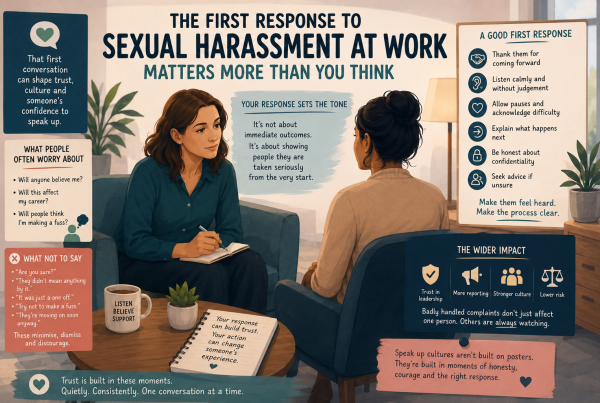
Another critical moment occurs in the first conversation after someone raises a concern.
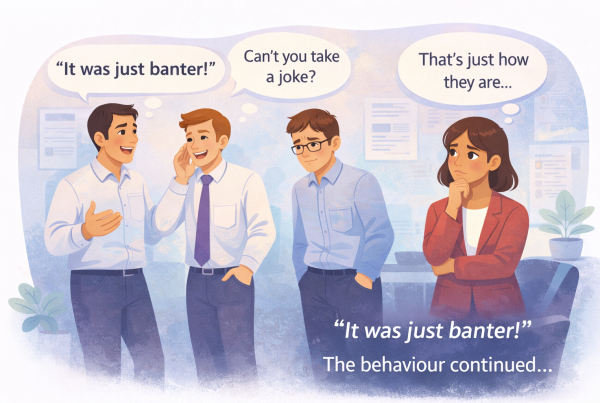
Leaders often respond based on their own experience of the individual involved. That experience may be positive, particularly if the person has been successful within the organisation.
Common responses include:
• “That does not sound like them.”
• “I have worked with them for years and never seen that behaviour.”
• “They are one of our strongest leaders.”
• “They would not do something like that.”
While these reactions may feel natural, they can unintentionally undermine the person raising the concern.
A colleague’s reputation or a leader’s previous experience with them is not evidence that the concern is unfounded. Behaviour can vary significantly depending on context, hierarchy and power dynamics.
For HR teams and leaders, it is important to approach concerns with curiosity rather than assumption.
That means:
• focusing on the facts that are being raised
• avoiding immediate judgments about credibility
• recognising that different people may experience the same behaviour in very different ways
When leaders move too quickly to defend colleagues, it can signal that some individuals are protected. That perception alone can discourage others from raising concerns in the future.
Preventing behaviour that requires whistleblowing
While whistleblowing protections are important, most organisations would prefer to prevent serious concerns from arising in the first place.
One of the most effective ways to do this is by strengthening speak up culture earlier in the process.
When employees believe that concerns can be raised safely and addressed constructively, issues are far more likely to surface at an early stage. This allows organisations to address patterns of behaviour before they escalate into serious misconduct.
Strong organisations typically focus on:
• leaders modelling respectful behaviour
• clear expectations around conduct
• early intervention when concerns are raised
• credible and fair investigation processes
• consistent accountability across all levels of the organisation
There is another benefit that organisations sometimes overlook.
Visible accountability acts as a deterrent.
When employees see that concerns are taken seriously and addressed fairly, it sends a signal that behaviour matters. This can discourage behaviour that might otherwise go unchallenged.
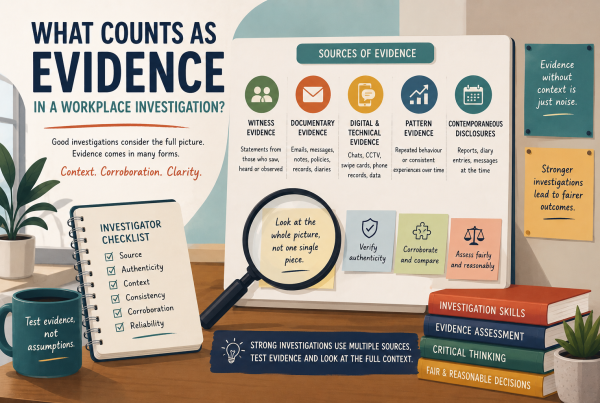
For speak up culture to work, employees must also trust that concerns will be examined properly. Having clear investigation processes and experienced investigators plays an important role in building that confidence.
You can read more about how investigations work in practice in our guide to Disciplinary Investigations, which explains the key stages organisations should follow when concerns about behaviour are raised.
Power dynamics and commercial considerations are part of organisational life. What matters is how leaders respond when concerns are raised.
HR teams can strengthen speak up culture by keeping a few principles in mind.
Avoid assumptions
A positive reputation should not determine whether a concern is taken seriously. Focus on the facts being raised rather than personal perceptions.
Recognise commercial bias
Be aware of the tendency to protect individuals who are perceived as commercially valuable. Accountability should apply consistently across the organisation.
Respond with curiosity
The first response matters. Listening openly helps create psychological safety for the person speaking up.
Act early
Concerns raised early often provide an opportunity to address behaviour before it escalates into more serious misconduct.
Ensure investigations are credible
Employees are far more likely to speak up when they trust that concerns will be examined fairly and independently.
When organisations approach concerns with fairness and transparency, they create conditions where people feel able to raise issues early and constructively.
Whistleblowing policies alone do not determine whether people speak up. Power dynamics and commercial pressures can strongly influence whether employees feel safe raising concerns.
Speak up culture is not tested when behaviour occurs between peers. It is tested when the person whose behaviour is questioned holds the most power.
At Tell Jane we support organisations to handle complex workplace concerns and conduct fair, independent investigations when power dynamics make issues difficult to address.