Most employers do not lose tribunal cases because of one joke.
They lose them because of what they tolerated afterwards.
Comments dismissed as banter. Concerns minimised. Early warning signs ignored.
In many organisations, behaviour does not escalate because people intend harm. It escalates because boundaries are unclear and leaders hesitate to step in early enough.
And the risk is changing.
With stronger expectations on employers to prevent harassment, not just respond to it, organisations will increasingly be judged on what they did when the first signs appeared, not when the formal complaint arrived.
That is why banter culture deserves more attention than it often gets. Not because humour is the problem, but because how organisations respond to it tells you everything about their culture.
Banter is not the risk. Normalising behaviour is.
Let’s be honest. Most workplaces have banter. Most teams rely on humour. Most people enjoy working in environments that feel human and relaxed.
That is not the issue.
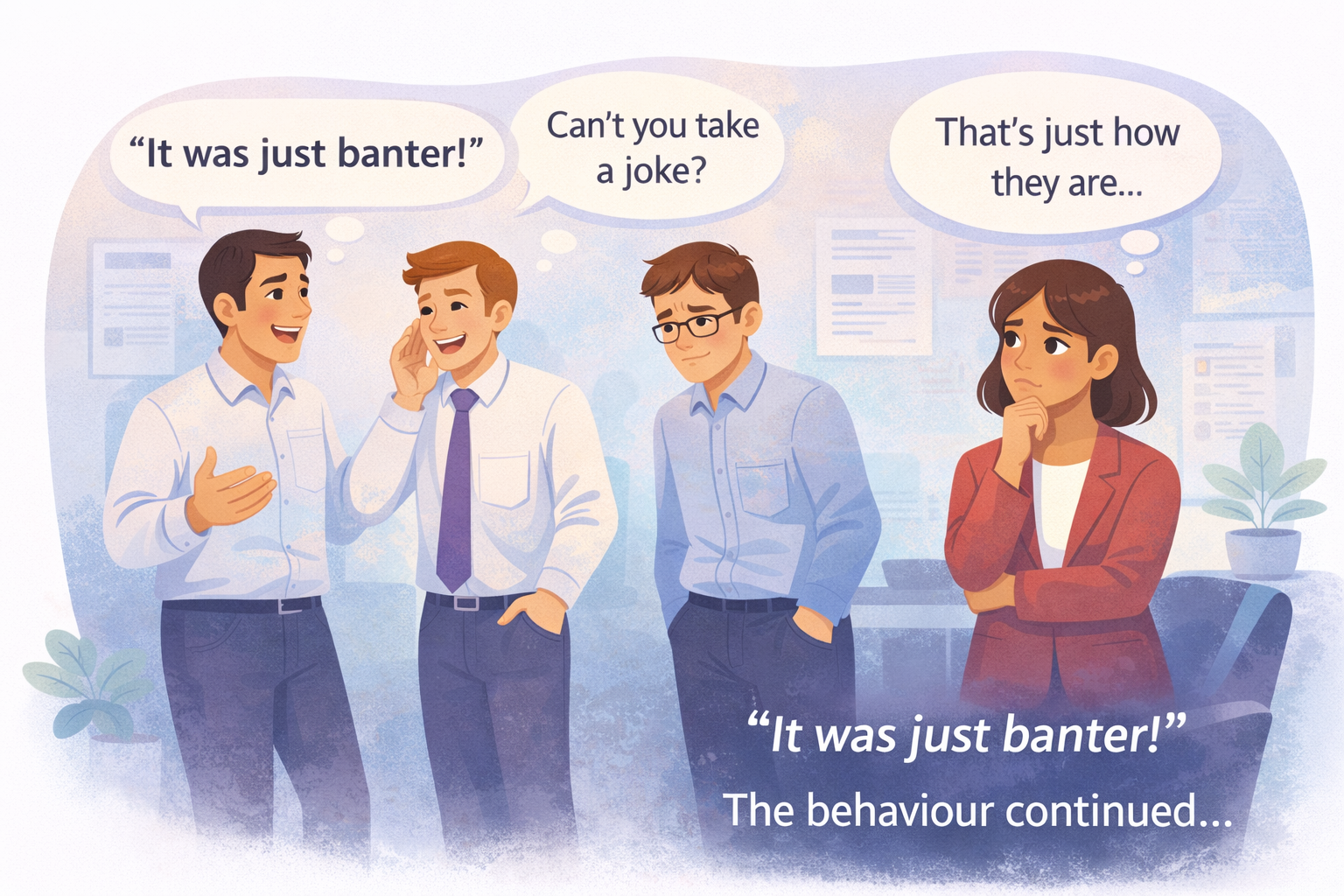
The problem starts when banter becomes an excuse. When behaviour is repeatedly brushed off rather than addressed.
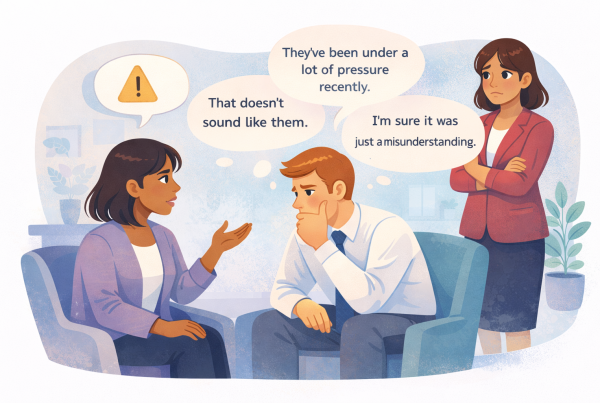
You will hear phrases like, that is just how they are, they did not mean anything by it, everyone jokes like that here. It is usually said to keep the peace. To avoid conflict. To protect relationships.
But over time those responses send a message.
They tell people that discomfort is something to tolerate. That speaking up may not lead to change. That fitting in matters more than feeling respected.
And once behaviour is repeatedly excused, it becomes normal.
That is when culture risk begins to grow.
The impact of banter is often quiet at first
In investigations, the issue is rarely the humour itself.
It is the pattern.
A comment that makes someone uncomfortable. A joke that targets the same person repeatedly. A team dynamic where humour becomes personal. A colleague who starts to withdraw.
These moments are easy to overlook. They rarely trigger a formal complaint straight away.
But they can slowly affect confidence, trust and engagement. You might notice someone becoming quieter in meetings. You might see a change in energy. You might hear colleagues describing behaviour as just banter while one person looks uncomfortable.
By the time a concern reaches HR, the behaviour has often been happening for weeks or months.
And when we look back, the signs were usually there. They were just not acted on.
What I see across Tell Jane’s client base
One of the clearest patterns we see is this.
Organisations that invest more in training spend less time in the employee relations space.
Not because they have fewer people.
Not because they have simpler workplaces.
Not because problems never arise.
But because their leaders are more confident. They recognise risk earlier. They know how to step in before situations escalate.
They are comfortable having difficult conversations. They challenge behaviour sooner. They set expectations clearly.
Training does not remove problems. That is not realistic.
But it changes how quickly issues are addressed. It builds capability. It prevents small concerns from becoming formal cases.
That is where the real value sits.
Culture is defined by what leaders allow
Most organisations have policies about dignity and respect. Most organisations believe they have a positive culture.
But culture is not defined by documents. It is defined by everyday behaviour.
Employees watch closely. They notice what leaders challenge. They notice what leaders ignore. They notice who is held accountable and who is protected.
When banter is consistently excused, boundaries become unclear.
And when boundaries are unclear, risk grows.
Because people start to rely on informal rules instead of clear expectations.
Why this matters now
The expectations on employers are shifting.
With the Employment Rights Bill and a stronger focus on prevention, organisations will increasingly be expected to show that they acted early, not just that they responded once a complaint was raised.
That is a significant change.
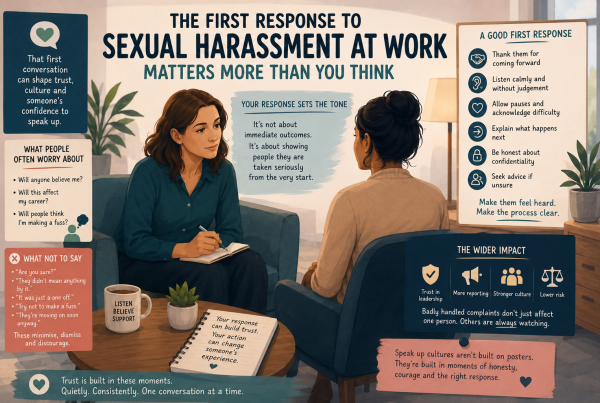
It means employers need to be able to demonstrate that they noticed the warning signs. That they took concerns seriously. That they stepped in when behaviour started to drift, not when the situation had already escalated.
In that environment, describing behaviour as banter will not be enough.
Employers will need to show that they recognised risk and acted on it.
Why the phrase “it was just banter” so often fails in tribunal
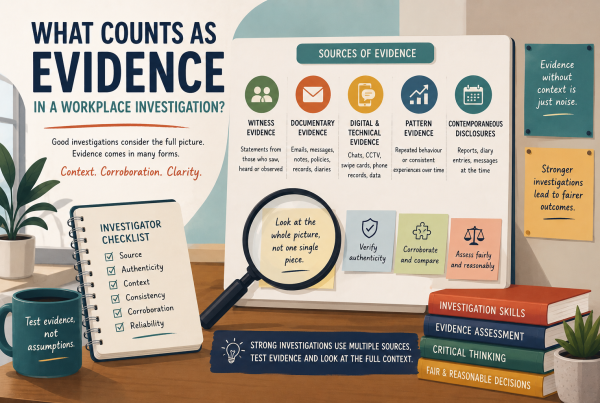
When cases reach tribunal, the focus is rarely on whether something was meant as a joke.
The focus is on what happened afterwards.
Did the behaviour continue
Did anyone challenge it
Did leaders intervene
Did the organisation take concerns seriously
That is why the phrase “it was just banter” carries so little weight.
Not because humour is banned. But because in many cases the organisation had opportunities to act earlier and did not.
Tribunals are increasingly asking a very simple question.
Did the employer act when the warning signs were visible?
The bottom line
Banter is not the problem.
Ignoring its impact is.
The organisations that manage this well are not the ones with the strictest policies. They are the ones where leaders act early, set clear expectations and take responsibility for the tone of everyday behaviour.
Because culture is not shaped by big decisions.
It is shaped by small moments. And whether leaders step in when it matters.
And in workplaces where expectations are rising, the organisations that get this right will be the ones where people feel respected.
At Tell Jane, we help organisations equip leaders to recognise early warning signs, challenge inappropriate behaviour confidently and create cultures where issues are addressed before they escalate.