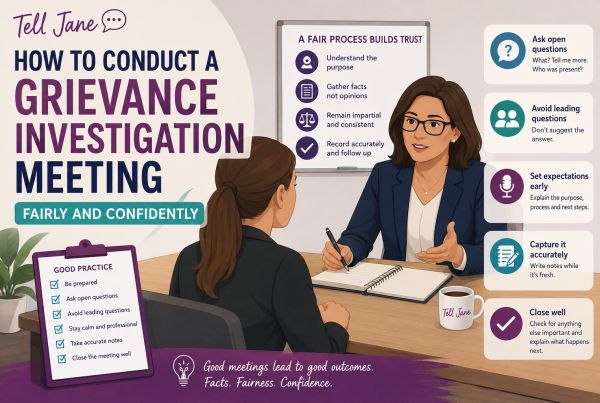
Preventing sexual harassment in the workplace involves more than just policies or awareness campaigns. Many organisations focus heavily on reporting systems and training, which are essential components. However, a critical third pillar often gets overlooked: effective complaint handling. A well-structured workplace investigation process is the backbone of ensuring that complaints are dealt with fairly, consistently, and transparently.
A recent Forbes article highlighted a concerning finding: despite the widespread impact of the #MeToo movement, studies show that there has been little change in the prevalence of sexual harassment and assault in workplaces. This underscores the importance of not just raising awareness but also effectively managing complaints when they occur. Is your organisation giving enough attention to this crucial aspect?
The three pillars of sexual harassment prevention
To prevent workplace harassment, it’s crucial to balance three key pillars: reporting, training, and complaint handling. Here’s why each of these plays a vital role.
1. Reporting 📝
Clear and accessible reporting mechanisms form the foundation of transparency and accountability. When employees feel comfortable and safe reporting issues, they are more likely to come forward. A robust reporting system helps ensure that issues are surfaced early, making it easier to address concerns before they escalate.
2. Training 🧑🏫
Workplace training serves to educate employees on recognising inappropriate behaviour, understanding company policies, and knowing how to respond. Ongoing training ensures that employees are aware of their responsibilities and the standards expected of them. Training also supports the development of a shared understanding of what constitutes harassment and how to prevent it. While training alone cannot prevent harassment, it is essential for creating a workplace culture that values respect and dignity.
3. Complaint handling capability ⚖️
This third pillar—workplace investigation and complaint handling—is where many organisations falter. While reporting and training get significant attention, the effectiveness of complaint handling can make or break an organisation’s response to harassment. Mishandling complaints can have long-lasting negative impacts on both employees and the organisation, leading to dissatisfaction, mistrust, and a damaged workplace culture.
An effective complaint handling process ensures that issues are managed fairly, that all parties feel heard, and that appropriate actions are taken based on a thorough investigation.
The risks of overlooking complaint handling
As the Forbes article points out, despite the increased awareness brought about by #MeToo, workplace harassment persists. One reason for this is the inconsistency in how complaints are handled. If complaints are ignored, inadequately investigated, or mishandled, it creates a workplace environment where harassment can thrive, despite efforts to prevent it.
The consequences of poor complaint handling
A poorly executed workplace investigation can cause employees to lose faith in the organisation’s commitment to addressing harassment. Delays, biased investigations, or lack of communication during the process can lead employees to feel unsupported. This often results in disengagement, high turnover, and a loss of trust within the team.
In addition, mishandling complaints opens the organisation up to legal risks, potentially damaging its reputation. Investigations that are not properly documented or conducted may lead to public scrutiny, regulatory action, or litigation.
How poor complaint handling undermines prevention efforts
Even the best reporting systems and comprehensive training programmes will fail if complaints are not addressed adequately. Employees quickly lose confidence in the system when they see that complaints are not resolved in a fair and transparent manner. This reluctance to report incidents in the future perpetuates the cycle of harassment and sends the message that it’s not worth coming forward.
Best practices for effective complaint handling
To strengthen your organisation’s approach, effective workplace investigation practices are key. Below are essential strategies to ensure complaints are handled properly.
Ensuring employees feel heard and supported
An effective investigation process begins with ensuring that employees feel safe reporting complaints. Confidentiality, empathy, and professionalism must be at the heart of any workplace investigation. By maintaining open communication, explaining the process, and providing support, employees are more likely to trust the organisation’s commitment to handling complaints fairly.
Fair and consistent complaint resolution
A structured, fair, and consistent approach is critical for complaint handling. Organisations need to follow clear procedures for investigating complaints, ensuring neutrality and impartiality throughout the process. Investigators must be trained to handle sensitive situations and avoid biases. Transparency, while maintaining confidentiality, helps to ensure employees understand the process and trust the outcomes.
Restoring trust and reinforcing culture
Resolving complaints effectively does more than just address individual incidents; it also strengthens the organisation’s culture. When complaints are handled properly, it reassures employees that the company values their safety and well-being. This helps restore trust in leadership and reinforces the organisation’s commitment to maintaining a respectful and inclusive workplace.
How to evaluate your organisation’s complaint handling capability
To ensure your complaint handling and workplace investigation processes are effective, it’s crucial to regularly evaluate them. Consider asking the following questions:
- Are complaints investigated in a timely and impartial manner?
- Do employees feel comfortable and supported when reporting issues?
- Is there transparency in the process and communication, without breaching confidentiality?
- Are the outcomes of investigations consistent and fair?
If any of these questions raise concerns, it may be time to review your organisation’s complaint handling practices. Providing additional training for HR and managers in conducting thorough, unbiased investigations can help ensure that complaints are managed appropriately.
To prevent sexual harassment in the workplace, organisations must balance reporting, training, and effective complaint handling. The findings of the recent Forbes article demonstrate that while awareness has increased, the actual prevalence of harassment has not significantly changed. This highlights the need for better processes, particularly when it comes to handling complaints.
A well-conducted workplace investigation is essential to maintaining trust and ensuring that your organisation’s culture remains positive and inclusive. By giving complaint handling the same level of attention as reporting and training, organisations can more effectively address harassment and protect their employees.
Is your organisation prepared to handle complaints in a way that ensures long-term success?
At Tell Jane, we can support your organisation in conducting fair and impartial workplace investigations through training in-house investigations or carrying out investigations on your behalf.
Email us today at hello@telljane.co.uk to find out more.