It is easy to fall into the trap of thinking diversity, equity and inclusion (DEI) work can be solved with a few dashboards and a spreadsheet. But the reality is this: if your metrics only capture activity and not experience, you are measuring noise, not progress.
Organisations are under pressure to demonstrate commitment to EDI. That is a good thing. But real progress is not about what you can point to in a report. It is about what your people feel, see and experience every day. And that is much harder to measure.
So where do you start?
What are DEI metrics and why do they matter?
Metrics do have a role. They help you stay honest. They allow you to ask difficult questions, to hold up the mirror and to keep yourself accountable.
You can track who you are hiring, who is progressing, and whether different groups are experiencing the same levels of opportunity and reward. You can examine pay gaps, recruitment data, exit interviews and representation across job levels.
But let us be clear: data is only the beginning. It tells you where to look. It does not tell you what to do. And it certainly does not tell you how it feels to work in your company.
The problem with vanity metrics
Ticking boxes is not change.
Too often, organisations shout about how many people completed unconscious bias training, or how many awareness sessions were held during inclusion week. But these isolated events rarely shift culture on their own.
Metrics like this might look good in a board pack. They might make for a strong LinkedIn post. But if they are not matched by long-term action, all they reflect is intention, not impact.
Progress means culture shift
Representation matters. But inclusion is about more than getting people through the door. It is about how they are treated once they are in.
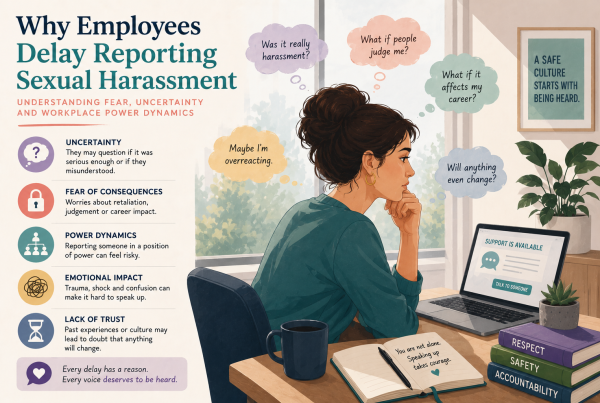
Are people able to speak up without fear? Do they feel respected in meetings? Are they being given the same chances to grow? Do they feel safe, seen and supported?
If you want to measure progress, listen to your employees. Use surveys, listening sessions, anonymous feedback tools and stay interviews. Talk to people. Ask what it feels like to work here. And then do something with what you learn.
EDI should be a golden thread
EDI cannot sit in the corner. It needs to run through every aspect of how you do business.
In your HR team, it should be there in your recruitment decisions, in your approach to reward, in how you design learning opportunities and in your wider employee experience. It should guide who you partner with, how you build policies and how you lead teams.
EDI is not one project. It is the culture you are building through every choice you make.
Create a culture that values performance and people equally
You can have high standards and still be inclusive. You can challenge people and still support them.
Progress is about creating environments where people can thrive, where performance is encouraged but not at the expense of respect, fairness or wellbeing.
This is not about asking people to be best friends. It is about building relationships that are respectful and healthy. People do not need to feel like they belong to a work family, but they do need to feel like they are treated with dignity.
Inclusive leadership means knowing your people and caring about their success. It means creating the conditions where they can do their best work without hiding who they are.
Track behaviour, not just demographics
Hiring more diverse talent is important. But what happens next?
If your organisation is not inclusive in how it communicates, promotes, rewards or makes decisions, those new hires will not stay. Worse still, they may stay but disengage.
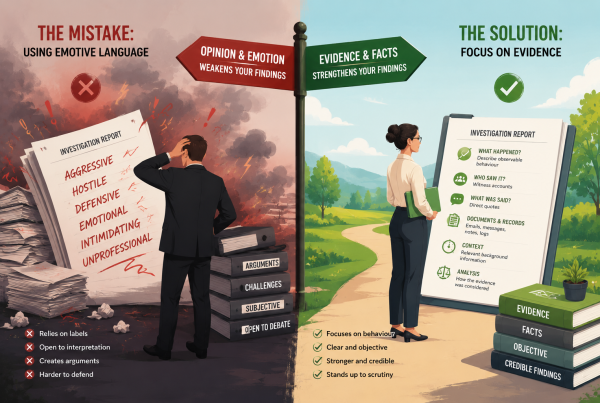
So go deeper. Use 360 feedback to understand how inclusive your managers are. Track who is speaking in meetings, who is interrupted, who gets credit for ideas. Look at patterns in promotions and recognition. Watch for behaviour, not just numbers.
That is what organisational culture looks like in action.
What will people say when they leave?
A question we often ask leaders is this:
What kind of experience do you want your people to say they had when they leave your organisation?
Do they still speak well of your company? Do they talk about the ways they were able to grow? Do they feel proud to have worked there?
Or are they quietly telling friends to steer clear?
This is not a soft question. It is a measure of whether your culture is performing. If people leave feeling depleted or overlooked, no amount of glowing diversity figures will protect your reputation in the long run.
Real progress is about people and performance
If you care about EDI, measure more than attendance. Measure trust. Measure fairness. Measure the experience.
Progress does not always show up in charts. But it does show up in relationships, in how decisions are made, in how people are treated.
And remember: people do not stay because of a dashboard. They stay because they feel valued, challenged and included.
That is the progress worth tracking.
For more information on developing your EDI strategy, creating an inclusive workplace culture, or accessing training resources, contact Tell Jane. We offer businesses of all sizes and across all sectors access to an anonymous employee reporting hotline and consultancy services to help tackle harassment effectively.