The expectations we have of leaders are shifting. It is no longer just about who can deliver the most or speak the loudest. People want to work for someone who sees them as more than a job title. Someone who genuinely cares about how they are doing, not just what they are doing.
That is where empathy comes in. Not as a nice to have or a personality trait. But as a leadership skill. A vital one.
These are not soft skills. They are people skills.
Let’s stop calling them soft. These are people skills. The ones that influence how we build relationships, navigate conflict and create cultures of trust. They are not an extra. They are the foundation.
Strong people skills help leaders support teams through pressure, motivate them through change and guide them through the highs and lows of daily working life. You do not need to be everyone’s friend. But you do need to make people feel respected and valued in the space they work in.
What empathy actually looks like
Empathy is not about fixing problems or solving everyone’s emotional needs. It is about showing up with awareness. About listening instead of assuming. About responding with understanding, even when a situation is difficult.
That might mean pausing a meeting when someone looks off form. It could be checking in after a tough piece of feedback. Or adjusting your approach because someone is juggling more outside of work than they are letting on.
It is simple. It is human. And it makes a difference.
Not convinced? Look at what happens when it is missing.
Think empathy sounds fluffy? Look at what happens in workplaces without it.
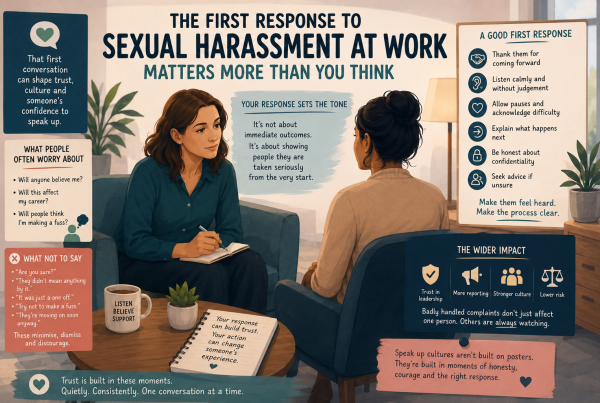
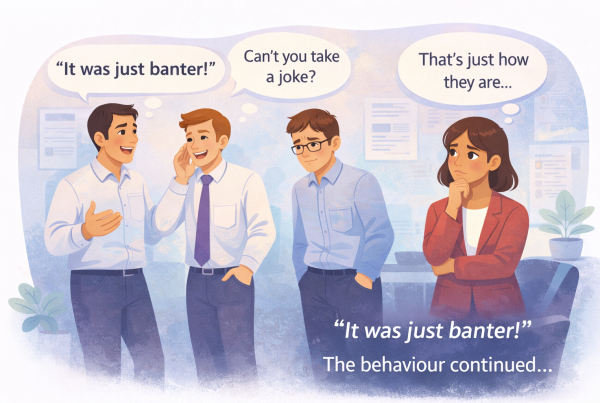
Someone asks to adjust their hours to care for a parent and gets a flat no. A colleague raises a concern about a toxic comment and is told they are overreacting. A valued team member goes quiet but no one notices, until they hand in their notice.
These are not just isolated events. They are warning signs. And if leaders do not see them, trust breaks down. People disengage. Some leave quietly. Others burn out.
The absence of empathy does not just damage morale, it damages business outcomes.
Empathy supports performance, not just wellbeing
Empathy does not get in the way of accountability. It strengthens it. Because when people feel safe and supported, they take more ownership. They ask for help sooner. They are more likely to push themselves and recover from setbacks.
Empathetic leaders do not lower expectations. They make them achievable by building the conditions people need to thrive.
As Kim Scott puts it in Radical Candor, leadership is about caring personally while challenging directly. You cannot do one well without the other.
Empathy makes inclusion real
Inclusion is not about policy. It is about practice. And empathy is what turns it into something people actually experience.
It helps leaders understand different perspectives, accommodate different needs and spot when someone is being left out. It encourages curiosity and reflection, not just box ticking or blanket rules.
When empathy is present, inclusion is part of the everyday. Not just the strategy.
What it looks like in real life
Empathy in leadership is not dramatic. It is in the small, consistent actions:
- Asking how someone is, then really listening
- Giving feedback that is kind, clear and timely
- Taking the time to explain changes and decisions
- Being flexible when life gets in the way of work
- Staying calm and fair when things go wrong
None of this needs to be complicated. But it does need to be genuine.
Empathy is not over-caring. Boundaries still matter.
Leaders are not therapists. They are not meant to absorb everyone’s stress or have all the answers.
Empathy works best when it comes with boundaries. That means knowing when to refer someone on, when to step back, and when to protect your own energy.
It also means giving leaders the support they need, training, peer connection, reflective space so that empathy is sustainable and shared.
Empathy is strength, not softness
When leaders lead with empathy, people do better. Cultures become healthier. Teams become more connected. Trust becomes the norm, not the exception.
This is not about being overly nice or emotionally indulgent. It is about being strong enough to care and smart enough to know that caring helps people perform at their best.
You do not need to get it right all the time. But if you want people to thrive, empathy is where you start.
At Tell Jane, we can equip leaders with the skills to be empathetic role models through understanding the benefits of diversity, dismantling bias, ensuring psychological safety and cultivating a culture of belonging. Email us at hello@telljane.co.uk to find out how we can support you.