Remote and hybrid working has opened up more flexibility and freedom in how we connect with our teams. But when it comes to behaviour, respect and safety, the shift to virtual spaces does not mean the rules change.
Harassment has not gone away. It has just found new ways to show up.
In a physical office, red flags can be easier to spot. A conversation overheard. A visible change in someone’s behaviour. But in remote environments, the signs are often more subtle, buried in private messages, overlooked in large video calls or masked by the distance of a screen.
In this blog, we explore what harassment can look like in remote teams, the red flags to watch for and why the same expectations must apply wherever we work.
Harassment does not need a physical office
Harassment is not defined by location. It is about how someone is made to feel, undermined, intimidated, excluded or disrespected.
And just because someone is working from home, it does not mean they are shielded from that. In fact, the isolation of remote working can sometimes make it worse.
The behaviours might be digital, but the impact is still very real.
It is also important to remember that harassment rarely happens in one space alone. What someone experiences over email or WhatsApp might be part of a wider pattern that also shows up in physical meetings or office interactions. Taken in isolation, a message or comment might seem minor. But over time, and across different settings, these behaviours can combine to paint a much bigger picture.
Red flags in remote environments
Here are some of the signs that something might not be right within your remote team:
Exclusion or isolation
A team member is regularly left off virtual meetings, group chats or collaborative tasks. Their ideas are not acknowledged. They are quietly frozen out.
Inappropriate messages or tone
Unprofessional comments land in Slack, Teams or email. Someone consistently uses a dismissive tone or makes jokes that cross the line.
Micromanagement or surveillance
A specific individual is constantly monitored, their online activity scrutinised more than others. Expectations around availability are not applied equally.
Sudden withdrawal or disengagement
A usually vocal team member becomes silent. They turn cameras off, avoid group calls or miss deadlines without explanation.
Uncomfortable one to ones
Video calls include inappropriate comments, prying questions or suggestive jokes, things that would not be acceptable face to face but are being brushed off as just banter online.
Let’s talk about boundaries
One of the biggest challenges in remote working is how blurred boundaries can become.
Someone might dial in from their kitchen table. Another might still be in their hoodie after the school run. The informality of home working can create a false sense of closeness or licence.
But here is the reality: just because we are working from home does not mean our standards should slip.
We all have different comfort levels, and what one person might laugh off, another may find inappropriate or even harmful. In virtual spaces, it is easy to forget that line. We need to be mindful of what respect looks like for each person.
But there also need to be clear shared standards. Personal boundaries may vary, but the expectations of professional behaviour remain the same. Whether you are sending a Teams message or speaking up in a boardroom, respect is non negotiable.
Why these red flags often go unnoticed
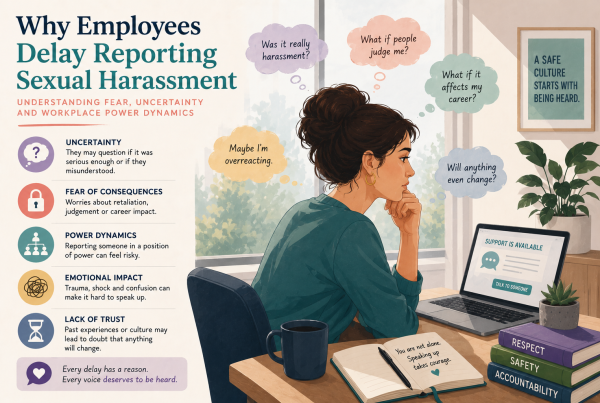
Remote working means fewer informal check ins. No chats at the kettle. No visual cues to pick up on discomfort or distress.
We also tend to assume that fewer in person interactions means fewer chances for friction. But in reality, inappropriate behaviour can be harder to see and easier to dismiss.
When something does not feel right, it is even more important that leaders and HR teams are listening and acting.
The digital trail: what HR needs to know
From an HR perspective, one of the distinct features of virtual work is the presence of a digital trail.
Unlike a passing comment in a hallway, messages sent through Slack, email or WhatsApp can often be reviewed and referenced. This can provide clearer evidence when concerns are raised and help ensure a fair and thorough process.
In fact, we are seeing more cases where WhatsApp messages are being used in UK tribunals as part of harassment claims. While this kind of documentation can support accountability, it also reminds us of the importance of setting clear expectations around behaviour in all forms of communication.
What you can do as a leader or HR team
Normalise conversations about conduct
Make it clear that the same behavioural expectations apply, no matter the platform.
Train managers to recognise red flags
Equip your leaders to spot changes in tone, participation or team dynamics.
Keep communication open
Check in regularly. Make time for honest conversations. Listen without judgement.
Promote safe reporting routes
Ensure people know how to raise concerns, anonymously if needed, and that they will be taken seriously.
Lead by example
Model the values you want to see. Be aware of your own tone, presence and impact online.
Respect is not about where we work. It is about how we work together.
Remote teams can absolutely be inclusive, safe and empowering, but only if we stay alert to the red flags and act with empathy and fairness. Harassment does not begin and end in a single space. Often, it moves between platforms, blending into the wider culture. That is why we need to pay attention to the whole picture.
At Tell Jane, we support organisations to build cultures of respect, whether you are in an office, fully remote or somewhere in between. Because everyone deserves to feel safe and valued at work, wherever they log in.
Our consultancy specialises in helping UK businesses design and implement effective harassment prevention strategies. Contact us today to learn more about how we can support your organisation in building a safer workplace email us here hello@telljane.co.uk for a brochure.