In many workplaces, humour is part of the culture, bringing light-heartedness to a busy or stressful environment. But there’s a fine line between friendly joking and inappropriate behaviour. When “banter” crosses that line, it can lead to serious issues such as harassment, exclusion, or bullying. For HR professionals, one of the most challenging situations is when an employee dismisses inappropriate behaviour with the phrase: “It was just banter.”
Let’s explore why banter can be problematic in the workplace, how HR can respond when it’s used to excuse harmful behaviour, and why it’s crucial to focus on the impact of words and actions rather than the intent.
The problem with banter
The concept of banter in the workplace often blurs the lines between acceptable and inappropriate behaviour. What one person finds funny, another might find offensive or hurtful. Here are some of the core problems associated with banter:
- Blurred boundaries: Jokes and light-hearted comments can cross the line into offensive territory. The casual nature of banter can make it difficult to set clear boundaries, leading to uncomfortable situations or feelings of disrespect.
- Excusing harmful behaviour: When employees use “banter” to excuse inappropriate remarks or actions, it minimises the harm done. This can create a culture where offensive comments are brushed off, even when they cause distress.
- Power imbalances: When banter involves a senior employee and someone junior, it can quickly turn into a more serious issue. The junior employee may feel pressured to tolerate jokes or comments they’re uncomfortable with, especially if they fear repercussions.
- Undermining complaints: Dismissing complaints about inappropriate behaviour as “overreactions” or “just banter” can discourage employees from speaking up in the future, allowing a toxic work environment to develop.
Impact over intent: why it matters
One of the key principles HR professionals must emphasise is that impact matters more than intent. When inappropriate behaviour is excused with phrases like “I didn’t mean anything by it” or “it was just banter,” it shifts the focus to the offender’s intentions rather than the effects of their actions.
Regardless of whether a joke or comment was meant to be harmless, it’s the impact on the person receiving it that counts. Here’s why focusing on impact is crucial:
- Prevention of further harm: By prioritising the impact, you acknowledge the feelings and experiences of the employee who has been affected. This can prevent further emotional or psychological harm from occurring.
- Encouraging accountability: When intent is used as an excuse, it lets employees off the hook. Shifting the conversation to the impact of their actions fosters accountability and ensures that individuals understand the consequences of their behaviour.
- Setting clear expectations: Prioritising impact over intent helps set a clear standard for workplace behaviour. It signals that comments or actions that negatively affect others won’t be tolerated, regardless of whether they were “meant as a joke.”
How to handle “it was just banter”
When an employee defends their behaviour by saying, “it was just banter,” it’s important to address the situation carefully but firmly. Here’s how HR professionals can handle these situations:
1. Acknowledge the statement, but refocus on impact
While it’s important to acknowledge the employee’s intent to clarify that they didn’t mean harm, you must pivot the conversation to the impact of their actions. You could say something like:
“I understand that you didn’t intend to upset anyone, but the fact is, your comment made your colleague uncomfortable. In our workplace, we prioritise making sure everyone feels respected and valued, regardless of the intent behind a comment.”
This approach shows empathy while making it clear that the impact is what matters.
2. Facilitate a conversation between employees
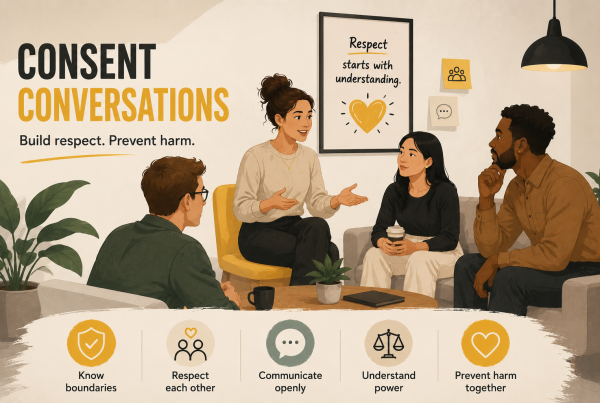
If appropriate, arrange a facilitated conversation between the employees involved. This allows the person who was impacted by the banter to express how the comments affected them, and the person responsible for the behaviour to understand the consequences of their actions.
The goal of this conversation should be to increase awareness and foster mutual respect, not to shame or blame. Encourage open dialogue so that both parties feel heard.
3. Reinforce company policies
When addressing any workplace behaviour issue, it’s crucial to refer back to your company’s policies on conduct and harassment. Highlight that, regardless of intent, behaviour that makes others feel uncomfortable or disrespected is unacceptable. Reminding employees of these guidelines can help prevent future incidents.
4. Provide training on respectful communication
To prevent “banter” from becoming a recurring issue, consider implementing or revisiting workplace training on respectful communication. This can help employees better understand the difference between friendly banter and harmful behaviour. It also reinforces the message that the impact of words and actions matters most.
5. Monitor the situation
Even after addressing the issue, it’s important to keep an eye on the dynamics within the team or department. Ensure that the behaviour doesn’t continue, and that the individual who raised the concern feels safe and supported. Sometimes, subtle changes in behaviour or microaggressions can follow, so ongoing monitoring is essential.
Banter may seem harmless on the surface, but when it crosses the line into offensive or harmful behaviour, it’s the responsibility of HR professionals to step in and address it. By focusing on the impact rather than the intent, HR can foster a workplace culture where everyone feels respected and valued. Clear policies, open dialogue, and accountability are key to ensuring that “banter” doesn’t become an excuse for inappropriate behaviour.
Dignity and respect are integral to creating and sustaining an inclusive workplace that is free from bullying, harassment and discrimination. Tell Jane offers a programme of ED&I training, as well as options to create a tailored package of learning for your organisation and your people. Get started by emailing hello@telljane.co.uk.