Why allyship is crucial in preventing sexual harassment
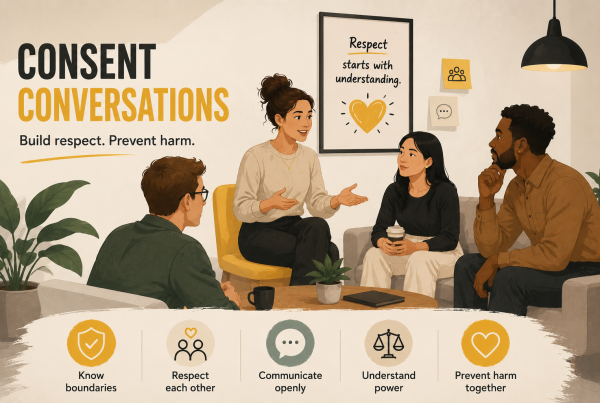
Sexual harassment in the workplace is a serious issue that affects employees across all industries. While companies may have policies in place, the everyday actions of colleagues are what truly shape workplace culture. Allyship—the act of using your influence and privilege to support those facing harassment or discrimination—plays a pivotal role in creating a safer, more respectful workplace.
In this post, we’ll explore what it means to be an ally, how allyship helps prevent sexual harassment, and how to respond when mistakes are made.
What is sexual harassment at work?
Sexual harassment at work can range from inappropriate jokes or comments to unwanted physical contact or sexual advances. Both overt and subtle forms of harassment contribute to a hostile environment. A 2018 study by the Trades Union Congress revealed that 52% of women and nearly 1 in 5 men have experienced some form of sexual harassment at work.
The impact of harassment extends beyond the individual and can lead to reduced productivity, high staff turnover, and a toxic culture. This is why allyship is so important in supporting those affected and preventing incidents from escalating.
How allyship prevents sexual harassment in the workplace
An ally is someone who uses their position of privilege to support colleagues who are facing harassment or discrimination. Here’s how being an ally can help prevent workplace harassment:
- Speaking up early: Allies can challenge inappropriate behaviour when it first occurs, whether it’s a joke that crosses the line or an offhand comment that makes someone uncomfortable. This helps set a standard for what is and isn’t acceptable.
- Supporting those who report: Many victims of harassment stay silent due to fear of retaliation. Allies can provide emotional support, encourage reporting, and even accompany their colleague through the process to ensure they are heard.
- Creating a respectful environment: By fostering an inclusive, respectful atmosphere, allies help to diminish the culture that enables harassment. Setting a good example through words and actions can influence others to follow suit.
Practical ways to be an ally in preventing sexual harassment
Here are some key actions you can take as an ally:
- Educate yourself: Understand what constitutes sexual harassment, as well as the impact it can have on individuals and the wider workplace.
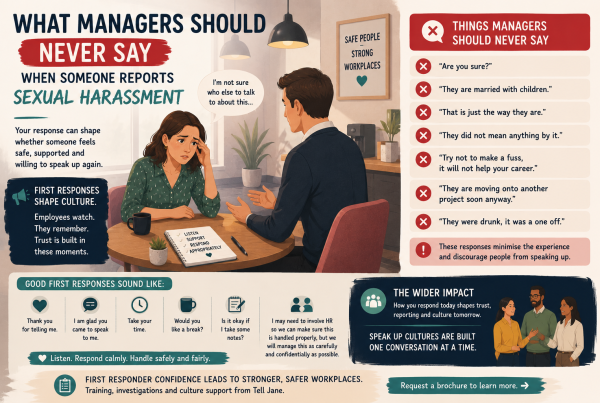
- Listen and support: If a colleague confides in you about harassment, listen without judgement. Offer your support, validate their feelings, and encourage them to take appropriate action if they feel comfortable.
- Intervene when needed: Whether it’s speaking up when you witness inappropriate behaviour or offering to help a colleague report harassment, intervene in a way that supports those affected.
- Be mindful of power dynamics: Use your position of influence to create space for others to speak, especially those who may feel marginalised. Amplifying the voices of those who report harassment is an important part of allyship.
Owning our mistakes: Learning from the ‘Boots and Sandals’ approach
As allies, we won’t always get it right. It’s important to learn from our mistakes and commit to doing better in the future. Presley Pizzo’s concept of “Boots and Sandals”, as outlined in the Guide to Allyship, provides a powerful metaphor for understanding privilege and how to respond when we’ve made a mistake.
Imagine that wearing “boots” symbolises having privilege—this privilege can make us unaware that we’re stepping on someone else’s toes, metaphorically speaking. Those without privilege, wearing “sandals,” feel the pain immediately but may not always speak up. If someone tells us, “ouch, you’re stepping on my toes,” the way we respond is crucial. Here are common unhelpful responses and how to avoid them:
- Don’t centre yourself: Avoid saying things like “I didn’t mean to hurt you” or “I’m a good person.” It’s not about your intentions, but the impact your actions had.
- Listen and learn: Respond by centering the impacted person. Ask if they’re okay, listen to their experience, and acknowledge their feelings without defensiveness.
- Apologise for the impact: Even if you didn’t intend harm, apologising shows that you understand how your actions affected the other person.
- Correct the behaviour: After apologising, change your behaviour. Just as you’d move your foot if you stepped on someone’s toes, in allyship, you need to adjust your actions to avoid causing harm in the future.
- Be open to learning: Mistakes are part of the journey. Presley Pizzo suggests starting with “Thanks for letting me know” to shift your mindset from defensiveness to openness. This helps you stay focused on growth and learning.
Owning your mistakes as an ally is not about feeling guilty—it’s about showing respect and committing to doing better.
Sexual harassment is not just a policy issue; it’s a cultural one. As allies, we have the power to help shift workplace dynamics by speaking up, supporting our colleagues, and holding ourselves accountable when we make mistakes.
Allyship isn’t about being perfect—it’s about showing up, listening, and learning. When we all commit to being better allies, we can create workplaces where respect and dignity are the norm, and sexual harassment has no place.
To learn more about what it means to become an ally in the workplace, contact Tell Jane to discover how our skilled HR practitioners can support you and your people. Email hello@telljane.co.uk to get started.