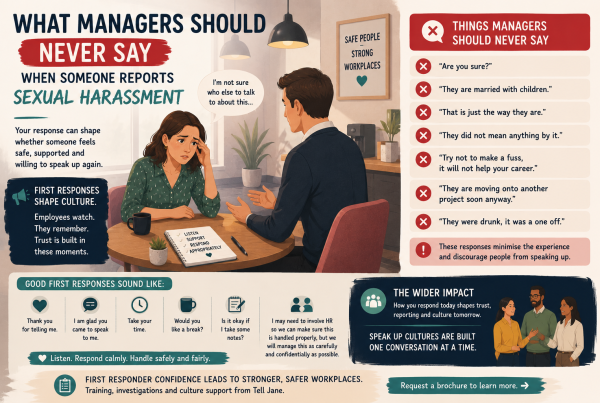
Let’s start with the basics. Workplace culture is everything. It’s the collective set of values, behaviours, and attitudes that define how things work in your organisation. When your culture promotes respect, inclusivity, and open dialogue, it sets a clear expectation for what’s acceptable—and what isn’t.
But culture is more than just a buzzword. A culture that encourages positive behaviours and mutual respect makes it much less likely that harassment will happen in the first place. People feel valued, and they know where the boundaries lie. It’s only when culture is weak or toxic that harassment becomes a bigger problem.
So, if you want to create a harassment-free workplace, you need to look at the culture you’re fostering every day. A culture of respect can go a long way in preventing inappropriate behaviours from even being thought of as acceptable.
Why “zero tolerance” isn’t the best solution
You’ve likely heard the term “zero tolerance” used in relation to sexual harassment policies. On paper, it sounds strong, and you may think it sends a clear message. But in practice, zero tolerance can often oversimplify things.
Think about it. If someone makes an inappropriate joke—perhaps out of ignorance or in a less-than-ideal moment—should they automatically be sacked? Does a one-size-fits-all approach really make sense in all cases? Of course not. A culture of learning and understanding allows room for mistakes, growth, and reflection.
People are human. Sometimes, they’ll get it wrong. That doesn’t mean they should immediately face the harshest punishment. Instead, it’s about offering the chance to learn, correct their actions, and move forward. Education and reflection should be at the heart of tackling inappropriate behaviour, rather than simply shutting it down with a heavy-handed response.
This doesn’t mean that serious, repeated incidents of harassment should be overlooked or excused—it’s about finding balance and context. Punishment without opportunity for growth doesn’t lead to long-term change. If someone makes an honest mistake, shouldn’t we allow them to understand the impact of their actions and give them the tools to do better next time?
Leadership: The key to shaping culture
We can talk about culture all we like, but it’s the leaders who truly shape and maintain that culture. Leaders are the role models, and their behaviour sets the tone for the entire organisation. So, if your leadership team isn’t actively promoting respectful, inclusive behaviour, it’s unlikely that the wider organisation will adopt these values.
Leaders should be actively involved in setting an example. This doesn’t just mean saying the right things in meetings—it means following through with actions. Leadership is about more than just enforcing rules; it’s about creating a culture where people are encouraged to speak up, engage with each other openly, and take responsibility for their actions.
The best leaders don’t simply demand respect—they show respect. They make room for conversations, especially difficult ones, and they demonstrate how to correct mistakes in a constructive, supportive manner. Leaders need to show their team that mistakes can be learning opportunities, and that a healthy culture is one where people can grow.
Respect, empathy, and open dialogue: The foundation of prevention
So how do you create a culture that actively prevents harassment? The answer is simple: start with respect, empathy, and open dialogue.
When your workplace is built on these principles, it’s much harder for harassment to take root. People understand each other’s boundaries and feel safe expressing concerns. It’s about normalising these conversations, so employees know that respect isn’t just a nice-to-have but a fundamental part of how everyone interacts.
Regular training and workshops are an excellent way to raise awareness and make sure employees understand what constitutes harassment, as well as what acceptable behaviour looks like. But don’t stop there. Encourage active bystander interventions, where employees feel empowered to step in if they witness inappropriate behaviour.
Creating a culture where employees can have open, honest conversations about harassment and inappropriate behaviour means prevention becomes easier. Education, not just punishment, should always be the priority.
Creating a safe, transparent reporting system
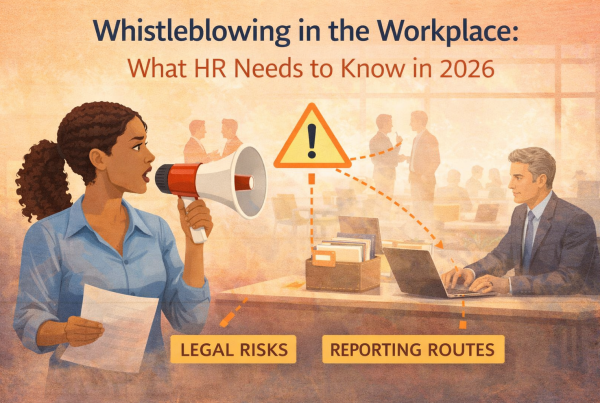
Even in a culture of respect and understanding, incidents may still happen. The key is to ensure employees feel safe and supported when it comes to reporting concerns. If your reporting system is unclear, difficult to access, or feels untrustworthy, employees may be hesitant to come forward—making it harder for harassment to be addressed and prevented.
A transparent reporting system is one that not only offers clarity but also protects anonymity where needed, ensuring employees don’t feel afraid of retaliation. The process should feel accessible, confidential, and safe. It’s about encouraging people to speak out without fear of judgement or backlash.
A proactive approach is equally important. Don’t just wait for things to escalate before addressing concerns. Offer employees the opportunity to raise concerns early in a constructive way, so issues don’t get ignored until they become bigger problems.
Moving beyond punishment: Embracing learning and growth
The idea of “zero tolerance” isn’t just ineffective—it can be damaging. Harsh, one-size-fits-all punishment might provide a sense of control in the short term, but it doesn’t address the root causes of harassment or encourage a real culture change. Instead of focusing solely on punishment, organisations should focus on learning and growth.
When employees make mistakes, instead of jumping to conclusions, offer them the chance to reflect and understand what went wrong. Sometimes a tough conversation about what was inappropriate can lead to more lasting change than a blanket punishment. Training, coaching, and mentorship are essential to this process. It’s about giving employees the tools they need to recognise their mistakes and grow from them.
This kind of culture change takes time and effort—but it’s worth it. People who feel they have the opportunity to learn and improve are much more likely to develop positive behaviours in the future.
Conclusion: Creating a culture where harassment has no place
Preventing sexual harassment isn’t just about having the right policies and enforcing harsh consequences. It’s about creating a workplace culture where people understand each other’s boundaries, have the tools to learn from their mistakes, and feel safe and respected in every interaction.
By focusing on respect, empathy, and open dialogue, we can build workplaces where harassment isn’t just prevented—it’s actively eradicated. The best way to stop harassment before it starts is to create an environment where mutual respect is the standard, not the exception.
If you’re looking for support in creating a culture that prioritises respect and prevents harassment, Tell Jane is here to help. Reach out to us for guidance on building a workplace culture where everyone feels valued, heard, and safe.