Culture shapes behaviour in the workplace. It can prevent issues from escalating but it can also create conditions where problems quietly grow. In many organisations, HR only hears about issues when formal complaints are raised. No news is not always good news and waiting for complaints can be costly.
This article will help HR leaders spot early warning signs in both individual behaviour and team dynamics. You will learn practical ways to identify concerns before they escalate, giving you the confidence to act quickly and create a workplace where people feel heard, safe and respected.
Behavioural indicators: Watch your people
Individual behaviour often signals underlying issues. HR leaders should look out for patterns that suggest stress, disengagement or dissatisfaction. Key signs include:
- Increased absenteeism or lateness
- Decreased productivity or quality of work
- Withdrawal from team discussions or social interactions
- Sudden change in mood or behaviour, such as irritability or low morale
- Repeated minor complaints or informal reports of dissatisfaction
- Avoidance of certain colleagues or tasks
- Increased mistakes or missed deadlines
- Signs of stress, anxiety or disengagement
There are also subtle clues in what employees say. Listen for phrases like:
- “I just can’t keep up with all the changes”
- “I don’t feel comfortable saying anything in meetings”
- “It is always the same people getting heard”
- “I am not sure what is expected of me”
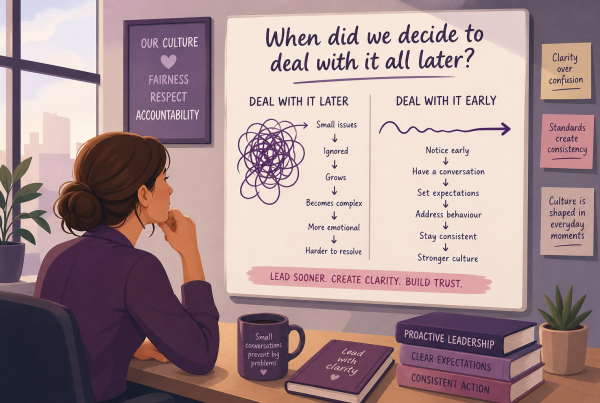
These patterns, especially when they occur across a team, are often an early indicator that intervention is needed. Minor issues today can become major investigations tomorrow if left unaddressed.
Environmental and team indicators: Watch the wider context
The team environment often reveals deeper cultural issues. Some warning signs to observe include:
- Poor communication or lack of transparency
- High staff turnover or repeated resignations
- Low team morale or lack of engagement in meetings
- Cliques or fragmented team relationships
- Conflicts being ignored or brushed under the carpet
- Absence of clear processes for feedback or support
- Lack of psychological safety, where people do not speak up for fear of repercussions
Pay attention to common phrases or behaviours in the team, such as:
- “HR will handle it, I am not getting involved”
- “There is nothing we can do about that team”
- Persistent grumbles in meetings or chats, like “This always happens” or “No one listens”
- Leaders relying on HR to have difficult conversations for them
Even if no formal complaint has been made, these behaviours and phrases are often a signal that something is not right.
How HR can respond early
Proactive action can prevent small issues becoming major problems. Some steps HR can take include:
- Conduct pulse surveys and regular one to one check ins to understand how people are feeling
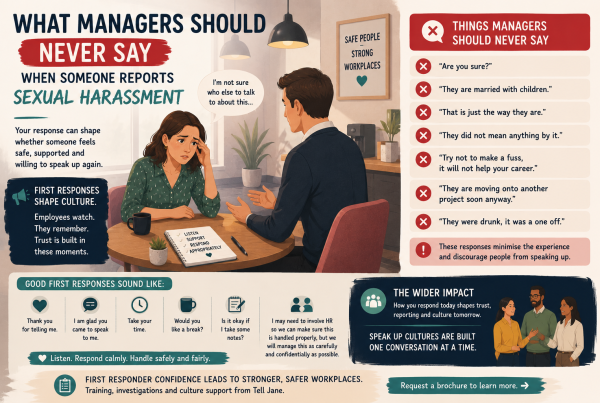
- Encourage open dialogue and create an environment where people feel safe to speak
- Spot trends by paying attention to repeated minor complaints or withdrawal from team activity
- Provide managers with support and training to address issues directly
- Use culture audits or independent reviews to assess risk and patterns
For example, if several team members start withdrawing from discussions and responding with “I am fine” in check ins, HR can investigate early, identify unresolved conflicts and provide coaching and guidance before issues escalate.
Practical takeaways
HR leaders can use this quick checklist to act today:
- Look beyond formal complaints. Note absenteeism, disengagement or repeated minor grumbles
- Listen to language in meetings and informal conversations. Pay attention to phrases that indicate discomfort or fear
- Observe team dynamics. Watch for cliques, poor communication and low morale
- Provide clear channels for feedback and encourage managers to address issues directly
- Regularly review patterns and trends before minor issues escalate
Taking proactive action builds trust and supports a workplace where people feel heard and valued.
Recognising behavioural and environmental warning signs allows HR to act early and prevent complaints from escalating. Culture is maintained through observation, engagement and intervention.
Tell Jane can help HR leaders carry out culture reviews, coach managers and put systems in place to address emerging issues before they escalate. Explore our services to create a workplace where everyone feels respected, safe and confident. Or email us at hello@telljane.co.uk for further information.