“We’ve got a policy for that.”
I hear this a lot when workplaces talk about how they manage behaviour. But let’s be honest, a policy isn’t the same as a culture. Having something written down doesn’t mean people feel confident calling things out. It doesn’t mean managers know what to do when issues come up. And it definitely doesn’t mean people feel safe.
Policies are necessary, of course. But if you’re relying on them alone, it’s too easy to slip into a reactive mindset waiting for a formal complaint or an investigation before doing anything.
And we’re seeing the consequences.
According to Peninsula, there are now over 45,000 employment tribunals ongoing in the UK. Discrimination cases have gone up by 15%, and disability-related claims by 28% just in the last quarter.
The data backs it up:
- 32% of organisations don’t use a formal process for investigations
- 70% don’t track the nature of the issues being raised
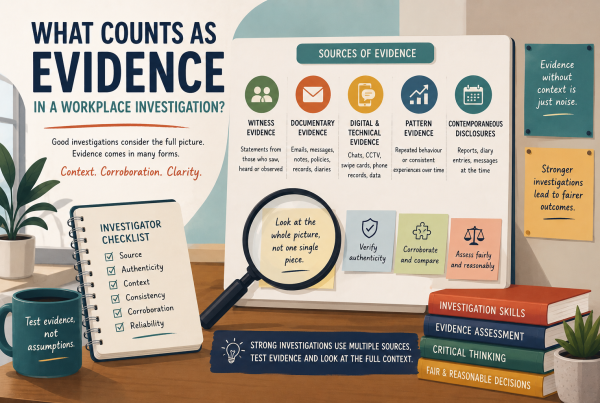
- And nearly half don’t even follow up on whether concerns were substantiated
(Source: HR Acuity Employee Relations Benchmark Study)
If we want to reduce the need for investigations, we have to stop seeing them as inevitable.
What’s the alternative?
Mediation is one helpful route when appropriate. It’s quicker, often less costly (especially if outsourced), and far more likely to result in a resolution people can live with. But even mediation is reactive.
The real change comes earlier through prevention.
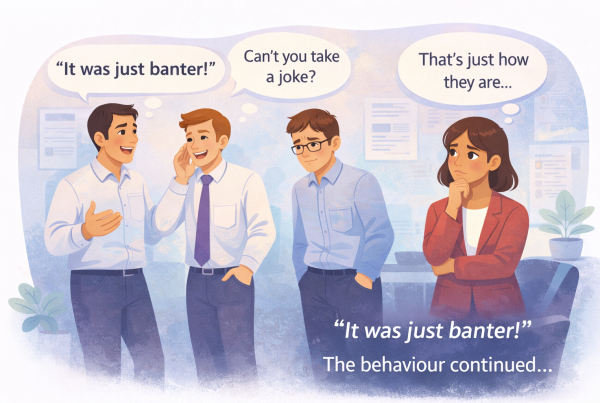
That’s where an ER strategy makes the difference. Not one that just trains people on policy, but one that creates clarity around what is and isn’t acceptable. Because most of the time, problems escalate when there’s uncertainty, silence or avoidance.
Some things to build in:
- Dignity and respect training
- Preventing bullying, harassment and sexual misconduct
- Active bystander strategies
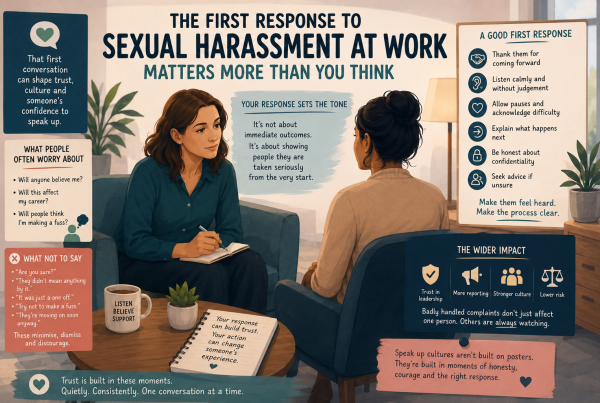
- Giving managers tools to have difficult conversations early
- Understanding how bias shows up and how to challenge it
This doesn’t have to be overcomplicated but it does need to be intentional.
Bottom line?
You don’t need to wait for a grievance or investigation to realise something’s not working. A bit of investment in early intervention can save time, money and a lot of stress further down the line.
If you want help thinking about what that looks like in practice, that’s exactly what we do at Tell Jane. We’re not just here for when things go wrong we help you stop them happening in the first place. Get in touch today by emailing hello@telljane.co.uk