Sexual harassment in the workplace remains a topical issue that requires attention and action. Understanding who is involved—whether as harassers, targets, or bystanders—is essential for addressing and preventing it effectively. This blog explores these roles, dispels common misconceptions, and highlights the importance of fostering a workplace culture rooted in respect and accountability. Tailored to the UK context, it draws on local legislation and workplace norms to offer practical insights.
Harassers: Challenging stereotypes
Sexual harassment can be perpetrated by anyone, regardless of their gender, role, or seniority. While media portrayals often focus on male harassers in positions of power, research shows that harassment is not exclusive to any one group. Harassers may exploit a power imbalance, but they can also act out of ignorance or a lack of understanding about appropriate workplace behaviour.
Key behaviours exhibited by harassers include:
- Making unwelcome comments of a sexual nature.
- Sharing inappropriate jokes or images.
- Engaging in physical contact without consent.
Harassers often justify their behaviour as harmless or humorous, underestimating the impact on the target and the workplace as a whole.
Targets: Recognising the range of experiences
Anyone can be a target of sexual harassment. While statistics indicate that women are disproportionately affected, men and non-binary individuals are also impacted. In the UK, the Equality Act 2010 provides protections against harassment based on sex, sexual orientation, and gender identity, ensuring that all individuals are safeguarded.
Common experiences reported by targets include:
- Feeling isolated or powerless to speak up.
- Experiencing anxiety, stress, or decreased job satisfaction.
- Facing professional consequences, such as being overlooked for promotions.
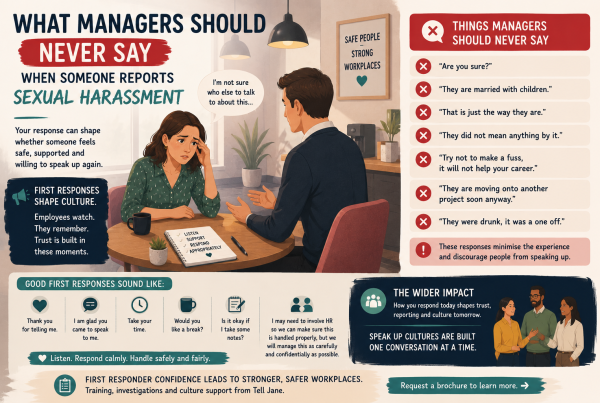
It is vital to create an environment where targets feel safe and supported when reporting incidents, knowing their concerns will be taken seriously.
Bystanders: The role of observers
Bystanders play a crucial role in either perpetuating or preventing sexual harassment. When bystanders witness inappropriate behaviour, their response can significantly influence workplace dynamics. Remaining silent may inadvertently condone the behaviour, while intervening—whether directly or by reporting the incident—can help foster a safer environment.
UK employers should encourage active bystander training, equipping employees with the skills to:
- Recognise inappropriate behaviour.
- Support colleagues who may be targeted.
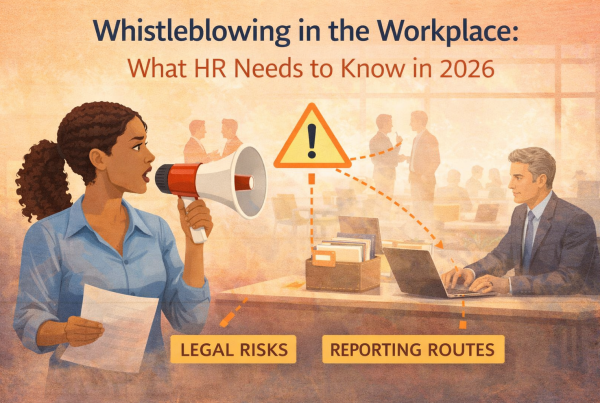
- Report incidents effectively through proper channels.
Common misconceptions about sexual harassment
- “It’s just a joke.” Humour is often used as an excuse, but what one person finds funny may be deeply offensive to another.
- “Only women experience harassment.” While women are the majority of reported targets, harassment affects people of all genders.
- “If they didn’t report it, it’s not serious.” Fear of retaliation, embarrassment, or disbelief often prevents individuals from coming forward.
Building a culture of respect and accountability
Preventing sexual harassment requires proactive measures:
- Clear policies: Organisations should have robust sexual harassment policies aligned with the Equality Act 2010.
- Training: Regular training helps employees understand acceptable behaviours and how to report incidents.
- Open communication: Establishing a culture of transparency ensures employees feel heard and valued.
Sexual harassment has no place in any workplace. By understanding the roles involved and addressing misconceptions, employers can take meaningful steps to create a safe and respectful environment for all.
If your organisation needs guidance on addressing sexual harassment, reviewing policies, or delivering training, our consultancy is here to help. Contact us today to learn more about our bespoke solutions tailored to UK workplaces. You can request a brochure here hello@telljane.co.uk