While legal frameworks such as the Equality Act 2010 exist to protect employees, understanding the root causes of sexual harassment is essential to tackling it effectively. In this blog, we explore the factors that contribute to workplace harassment and provide actionable insights for employers to create safer, more inclusive environments.
Cultural and societal norms
One of the fundamental drivers of sexual harassment is entrenched cultural and societal norms. Behaviours that have been historically normalised, such as objectification or stereotyping, can manifest in the workplace as inappropriate comments, advances, or actions.
In the UK, organisations must challenge these norms by:
- Promoting gender equality and inclusivity.
- Actively discouraging banter or behaviours that trivialise harassment.
- Encouraging open conversations about respect and boundaries.
Power imbalances in the workplace
Power dynamics play a significant role in enabling sexual harassment. Employees in positions of authority may misuse their influence, creating an environment where targets feel powerless to resist or report the behaviour.
Key ways to address power imbalances include:
- Implementing clear reporting structures that bypass direct managers.
- Offering anonymous channels for raising concerns.
- Providing training on responsible leadership and ethics.
Lack of awareness and education
A lack of understanding about what constitutes sexual harassment often contributes to its prevalence. Employees may not recognise their own behaviour as inappropriate or may be unaware of how their actions affect others.
Employers can combat this by:
- Providing comprehensive sexual harassment training tailored to UK workplace norms.
- Clearly defining unacceptable behaviours in company policies.
- Encouraging employees to ask questions and seek clarity when in doubt.
Fear of retaliation or inaction
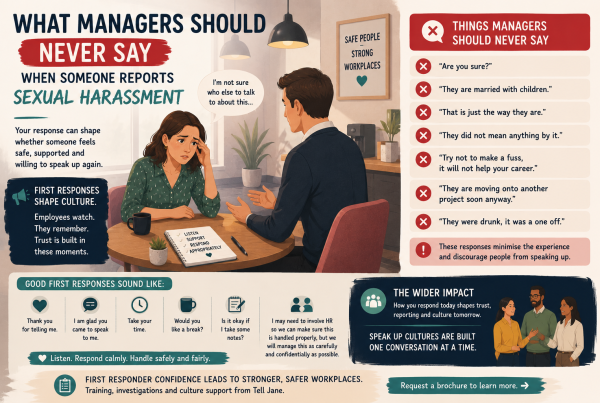
Many targets of sexual harassment refrain from reporting incidents due to fear of retaliation or the belief that their complaints will not be taken seriously. This silence allows harassment to persist unchecked.
Employers should:
- Reassure employees that reports will be handled confidentially and fairly.
- Take swift, visible action against perpetrators to build trust.
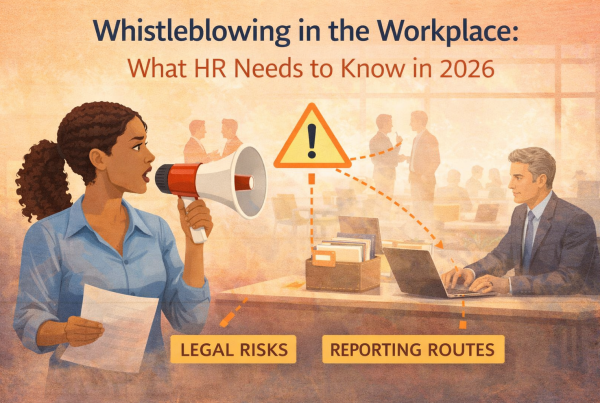
- Protect whistle-blowers from negative repercussions.
Organisational culture
Workplace culture plays a pivotal role in either enabling or preventing harassment. A culture that tolerates discrimination, favouritism, or a lack of accountability creates fertile ground for harassment to thrive.
To foster a positive culture, organisations can:
- Set the tone from the top, with leaders modelling respectful behaviour.
- Regularly review and update policies to reflect current best practices.
- Recognise and reward behaviours that promote inclusivity and respect.
Addressing the root causes: Practical steps for employers
To effectively combat sexual harassment, UK employers must take proactive measures:
- Develop clear policies: Ensure your organisation’s anti-harassment policies are comprehensive and compliant with the Equality Act 2010.
- Conduct regular training: Equip employees and managers with the tools to recognise, prevent, and address harassment.
- Create safe reporting channels: Provide multiple avenues for employees to report incidents without fear.
- Monitor workplace dynamics: Regularly assess your organisation’s culture and address any areas of concern promptly.
Understanding why sexual harassment happens is the first step towards prevention. By addressing the cultural, structural, and individual factors that contribute to harassment, employers can create workplaces where everyone feels safe and respected.
Our consultancy specialises in helping UK businesses design and implement effective harassment prevention strategies. Contact us today to learn more about how we can support your organisation in building a safer workplace email us here hello@telljane.co.uk for a brochure.