Workplace investigations are vital but if your strategy relies on them as a first response, you’re already too late. In the UK, workplace conflict costs employers a staggering £28.5 billion a year that’s around £1,000 per employee annually. Even early-stage informal interventions rack up £120 million, and mediation alone costs approximately £140 million every year. Then there’s the human cost: nearly half of employees experiencing conflict report stress, anxiety, or depression, with hundreds of thousands resigning, taking time off, or facing dismissal.
By the point you launch a formal investigation, time, money, and trust have already been spent. That’s why we need to stop spending so much on fire-fighting. Instead, let’s build in early intervention to resolve issues before they reach the investigation stage.
Mediation is better, but it’s still reactive
Let’s start with mediation. When it’s appropriate, it can be a brilliant way to resolve conflict quickly and fairly. It’s time-efficient, less confrontational than a formal investigation, and if you outsource it, it’s often more cost-effective too.
But it’s still a response to something that’s already happened. Mediation is useful but it won’t fix a broken culture. And it won’t stop the next issue from surfacing.
That’s where early intervention comes in.
You need an ER strategy that starts before the grievance
If you’re waiting for someone to raise a complaint before acting, you’re too late.
A proactive ER strategy isn’t just about whether your managers can manage (although that matters). It’s about the conditions you’ve created across the organisation. Can people have honest conversations early on? Do they know what’s acceptable behaviour and what isn’t? Or is everyone relying on a policy they probably haven’t looked at since induction?
A policy is important. You need it. But it’s not your culture. It’s your safety net. And if you’re relying on it too often, it’s a sign that people don’t feel able to address things before they escalate.
Prevention looks like training, not just paperwork
Training often gets dismissed as “nice to have” especially when budgets are tight. But in reality, training is one of the most effective tools you have to reduce risk and strengthen culture.
And no, we don’t mean generic tick-box sessions that no one remembers a week later.
We’re talking about:
- Dignity and respect training that helps people understand behavioural expectations
- Anti-bullying and harassment sessions that go beyond definitions and into everyday behaviours
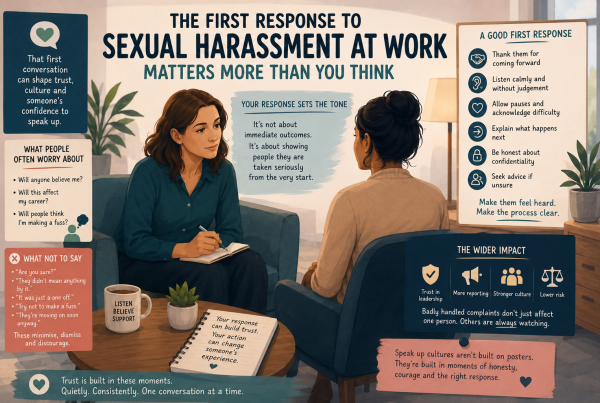
- Sexual harassment prevention that equips people with confidence to call things out
- Active bystander training that empowers teams to step in
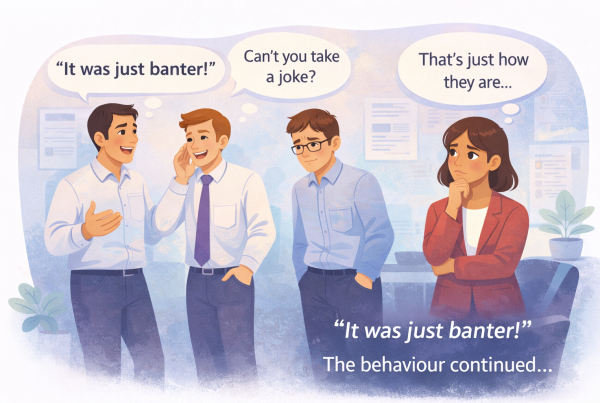
- How to have difficult conversations because silence rarely solves anything
- Bias awareness and decision-making training that challenges assumptions before they harden
The goal isn’t perfection. It’s creating a working environment where people know how to act and what to do when something’s not right.
The cost of getting It wrong
Still not convinced?
There are currently over 45,000 employment tribunals open in the UK (Peninsula). Discrimination cases are up by 15%, and disability-related claims have risen by 28% in just one quarter.
Meanwhile:
- 32% of organisations don’t use formal investigation procedures
- Only 51% track whether issues raised were substantiated
- 70% don’t track the type of issue at all
(Source: HR Acuity Employee Relations Benchmark Study)
That’s a huge amount of exposure, both legally and reputationally and most of it is preventable with the right strategy in place.
The bottom line
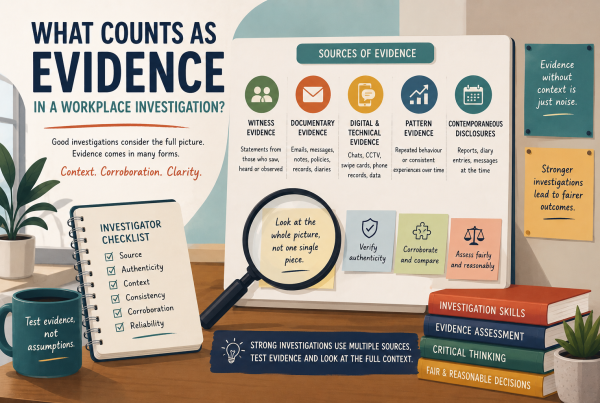
If your approach to conflict is built around formal process and policy alone, you’re always going to be on the back foot. Investigations will still be needed and they should be handled well but they shouldn’t be your first line of defence.
Invest in early intervention. Train your people. Give your managers confidence. And build a culture where fewer things escalate in the first place.
Because resolving conflict is important. But stopping it from escalating at all? That’s where the real value is.
Tell Jane can provide further practical tips, guidance and training on preventing conflict before it arises. The Tell Jane anonymous reporting hotline also provides a safe platform for employees to voice their concerns without fear or reprisal. Email us today at hello@telljane.co.uk for further information.