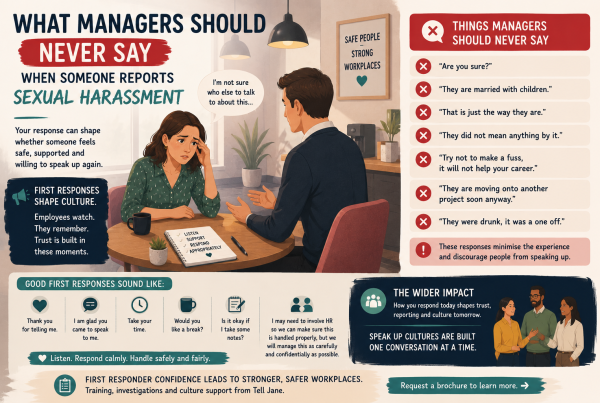
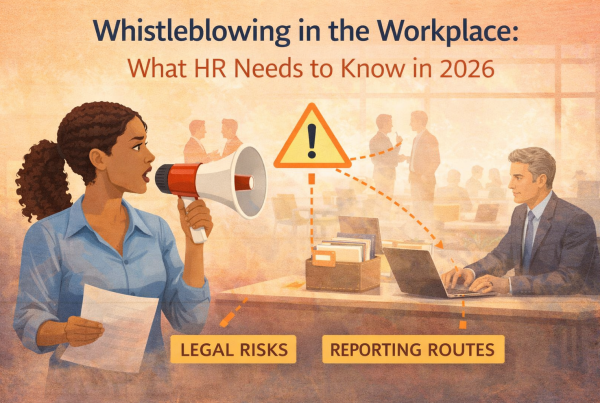
Sexual harassment in the workplace is a serious issue that can have profound effects on the victims and the overall work environment. One of the key concerns for individuals considering reporting sexual harassment is the confidentiality of their complaints. It’s crucial for employers to handle these complaints with the utmost care and discretion. Below, we delve into the confidentiality aspect of sexual harassment complaints in the workplace, why it is important, and what measures should be taken to ensure it. Additionally, we will explore the differences between anonymity and confidentiality, which are often misunderstood but critical to the handling of such sensitive issues.
The importance of confidentiality
- Protecting the victim: Ensuring confidentiality protects the victim from potential retaliation or further harassment. Fear of retribution can deter individuals from coming forward with their complaints.
- Encouraging reporting: When employees know their complaints will be handled confidentially, they are more likely to report incidents of harassment. This leads to a safer and more respectful work environment.
- Maintaining trust: Confidentiality helps maintain trust in the reporting process and the integrity of the workplace investigation. Employees need to trust that their concerns will be taken seriously and handled appropriately.
- Preventing gossip and rumours: Maintaining confidentiality helps prevent the spread of gossip and rumours, which can further harm the victim and create a toxic work environment.
Measures to ensure confidentiality
- Clear policies and procedures: Employers should have clear, written policies outlining the confidentiality of harassment complaints. These policies should be communicated to all employees.
- Training for managers and HR: Managers and HR personnel should be trained on how to handle complaints confidentially and sensitively. They should understand the importance of discretion and the procedures to follow.
- Private reporting channels: Provide private and secure channels for employees to report harassment. This could include dedicated hotlines, email addresses, or third-party reporting services.
- Limited disclosure: Information about the complaint should be shared only on a need-to-know basis. This includes those directly involved in the investigation and decision-making process.
- Regular communication: Keep the complainant informed about the progress of the investigation without disclosing unnecessary details. Regular communication can reassure the victim that their complaint is being taken seriously and handled appropriately.
- Documentation: Maintain thorough and confidential records of all complaints and investigations. Ensure that access to these records is restricted and that they are stored securely.
Anonymity vs. confidentiality
While confidentiality and anonymity are often used interchangeably, they have distinct differences that are important to understand in the context of reporting sexual harassment.
- Confidentiality
- Definition: Confidentiality means that the details of the complaint and the identity of the complainant are known only to those who need to know in order to investigate and address the complaint.
- Scope: The information is protected within a limited circle, usually including HR, the investigator, and possibly senior management.
- Purpose: To ensure a fair and thorough investigation while protecting the complainant’s identity from broader exposure.
- Example: An employee reports harassment to HR, and the HR team investigates while keeping the details and the complainant’s identity confidential from the wider team.
- Anonymity
- Definition: Anonymity means that the complainant’s identity is completely unknown. The complaint is made without revealing who made it.
- Scope: No one, including HR and investigators, knows the identity of the complainant.
- Purpose: To protect the complainant’s identity entirely, encouraging those who fear retribution to report issues without revealing their identity.
- Example: An employee uses an anonymous hotline to report harassment. The investigation proceeds based on the information provided, but the identity of the complainant remains unknown.
Balancing confidentiality and anonymity
- Ensuring effective investigations
- While anonymity can protect the complainant, it can also make it more challenging to conduct a thorough investigation. Investigators may need to ask follow-up questions or seek additional details that only the complainant can provide.
- Providing support
- Confidentiality allows for more direct support and protection measures for the complainant. Anonymous complaints can limit the ability to offer personal support and resources to the victim.
- Building trust
- Offering both confidential and anonymous reporting options can build trust in the system. Employees can choose the option that makes them feel safest and most comfortable.
Confidentiality and anonymity are crucial aspects of handling sexual harassment complaints in the workplace. Both offer important protections for the complainant but serve different purposes and come with different implications. Employers must implement robust measures to ensure confidentiality while also providing anonymous reporting options. By doing so, they can create a safer and more respectful work environment where all employees feel secure in reporting harassment and confident that their concerns will be handled with the utmost care and discretion.
Sexual harassment is a major contributor to a toxic workplace culture, and with the introduction of the Worker Protection Act, fulfilling your duty of care to your people is more vital than ever. Our Preventing Sexual Harassment in the Workplace training will help you understand the impact of sexual harassment and take proactive steps to prevent it.
Tell Jane offers a wealth of practical tips, guidance and training on preventing sexual harassment at work. Explore our range of webinars, in-person or online facilitation and e-learning options by emailing hello@telljane.co.uk for more details.
If you would like to implement an anonymous reporting service in your organisation and send a clear message that incidents will be taken seriously, please get in touch. The Tell Jane anonymous reporting hotline provides a safe platform for employees to voice their concerns without fear or reprisal.