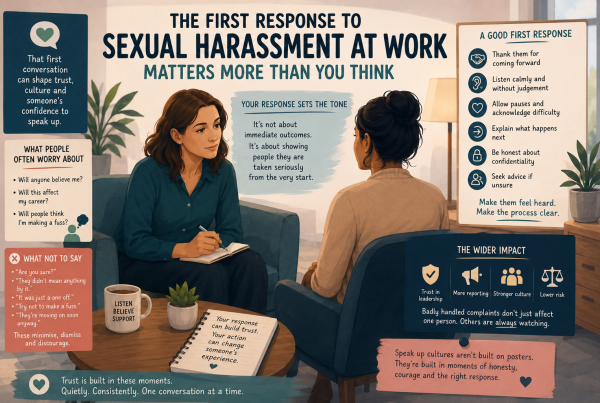
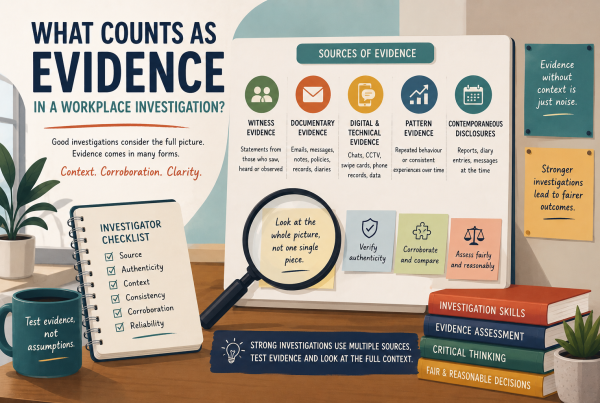
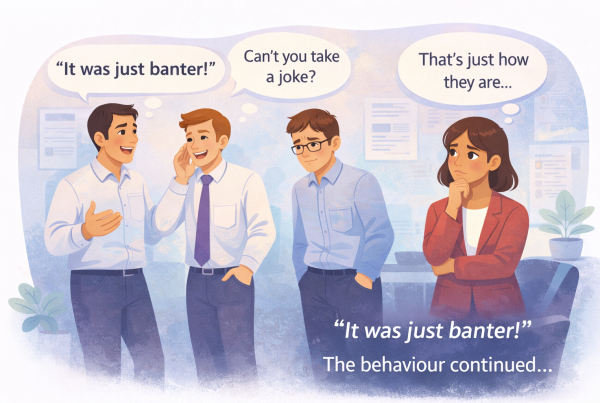
Psychological safety is a bit of a buzzword in workplace culture right now, and for good reason. It’s what allows people to speak up, share ideas, admit mistakes, and challenge the status quo without fear of embarrassment, punishment, or being shut down.
But there’s one thing that underpins psychological safety, and without it, the whole concept falls apart: trust.
We often focus on whether we feel psychologically safe, but how often do we stop and ask if trust is really working both ways? It’s easy to think about whether we trust our colleagues, managers, and teams but how much time do we spend reflecting on whether they trust us?
Trust is supposed to be a two-way street, but in many workplaces, it’s one-sided. And if trust is only flowing in one direction, then psychological safety is an illusion, not a reality.
What is psychological safety, really?
At its core, psychological safety is about feeling secure enough to take interpersonal risks. It’s the confidence that you won’t be punished, ignored, or undermined for speaking up, whether that’s raising a concern, offering a new idea, or admitting you’ve made a mistake.
Without psychological safety, people stay silent. They don’t challenge poor decisions, they don’t contribute fully, and they don’t bring their best selves to work. Over time, this creates a culture of fear, disengagement, and even burnout.
And what fuels psychological safety? Trust. It’s impossible to feel safe in an environment where trust is missing.
Trust: A two-way street (Or is it?)
Most organisations talk about trust as something employees need to have in leadership. Do we trust our managers? Do we trust HR? Do we trust that company policies are fair?
But trust doesn’t stop there. Leaders and managers need to ask themselves: Do I genuinely trust my team?
- Do I trust people to take ownership of their work without micromanaging them?
- Do I trust that they can handle honest feedback?
- Do I trust that if they raise concerns, it’s because they want to improve things, not cause trouble?
If the answer to any of these is no, then psychological safety isn’t really there. It’s a one-way trust system, and that’s not enough.
Assessing psychological safety: Questions to ask yourself
So how do you know if you and your workplace genuinely have psychological safety? Here are some key questions to reflect on:
- Do I feel comfortable speaking up without fear of embarrassment or punishment?
- Do I believe my colleagues and managers genuinely have my best interests at heart?
- Do I extend trust to others as much as I expect it in return?
- If I make a mistake, do I worry about blame rather than learning?
- Do I feel safe challenging decisions or offering new ideas?
- Do I trust that leadership will act with fairness and transparency?
- Does my team or organisation actively encourage and reward openness?
- Have I ever hesitated to give feedback due to fear of repercussions?
If you find yourself answering ‘no’ to several of these, it’s a sign that psychological safety might not be as strong as you thought.
How to strengthen psychological safety in your workplace
Building psychological safety doesn’t happen overnight, but it starts with trusting and being trustworthy. Here’s how organisations can work on it:
- Lead with transparency. People need to trust that decisions aren’t being made behind closed doors and that honesty is valued.
- Encourage learning from mistakes. If people are too afraid to fail, they won’t take risks or innovate. Shift the mindset from blame to growth.
- Give (and receive) feedback openly. If feedback is only ever one-way (top-down), it creates an unbalanced power dynamic. Employees should feel safe giving constructive feedback upwards, too.
- Model vulnerability. Leaders who admit when they don’t know something or acknowledge their own mistakes set the tone for a culture where others feel safe doing the same.
- Check in regularly. Psychological safety isn’t a tick-box exercise, it requires ongoing reflection and action.
Final thoughts
Psychological safety doesn’t just “happen.” It’s built, nurtured, and reinforced through mutual trust. And trust isn’t just about whether you feel safe, it’s also about whether others feel safe with you.
So the next time you think about psychological safety, don’t just ask, “Do I have it?” Ask, “Are we creating it together?”
At Tell Jane, we help organisations foster workplace cultures that prioritise trust, openness, and fairness. If your team is struggling with psychological safety, let’s talk about how we can support you.
Want to explore this further? Get in touch today.