Workplace investigations are a critical tool for addressing and resolving serious issues in organisations. But as an HR professional, knowing when to initiate an investigation can sometimes be challenging. Acting too hastily or delaying the process can both have significant consequences.
In this blog, we’ll explore the situations that warrant a workplace investigation, ensuring your organisation responds appropriately and remains compliant with UK employment law.
When an employee raises a formal complaint
One of the clearest triggers for a workplace investigation is when an employee submits a formal grievance or complaint. This could relate to:
- Allegations of harassment or bullying.
- Claims of discrimination under the Equality Act 2010.
- Concerns about health and safety breaches.
Formal complaints must be taken seriously and handled promptly. Ignoring them or delaying action could not only damage employee trust but also increase the risk of legal claims against the organisation.
Allegations of misconduct
Investigations are essential when there are allegations of misconduct, whether raised by employees or identified through other means. Examples include:
- Theft or fraud.
- Breaches of confidentiality.
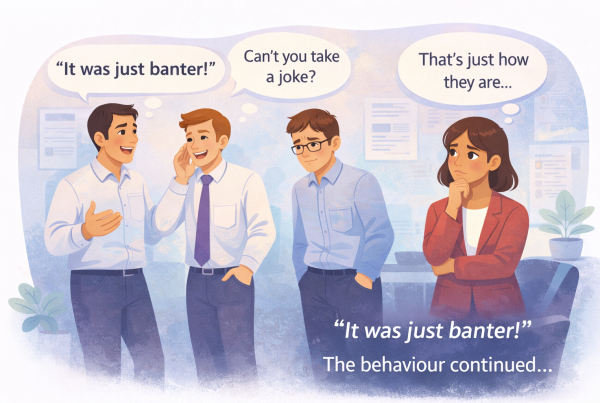
- Inappropriate or abusive behaviour in the workplace.
Misconduct investigations help establish the facts and determine whether disciplinary action is required. Acting swiftly ensures fairness for all parties and prevents further harm to workplace culture.
Suspected breaches of company policy
If an employee is suspected of violating company policies, such as misuse of IT systems or failure to follow health and safety guidelines, an investigation is often necessary to confirm the facts. Clear policies and procedures ensure employees understand their responsibilities, and investigations help maintain accountability.
Reports of workplace bullying or harassment
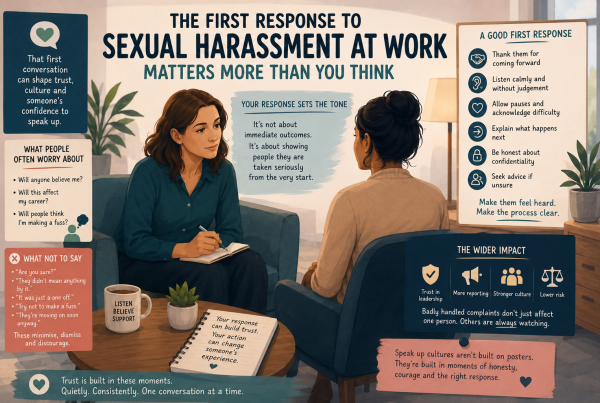
Allegations of bullying or harassment must always be taken seriously, whether they are raised formally or informally. Even if an employee asks for their complaint to remain confidential, HR has a duty to investigate potential breaches of workplace dignity and respect policies.
Failing to investigate can lead to a toxic workplace environment and, in some cases, legal claims for constructive dismissal or discrimination.
Discrimination concerns
Discrimination based on protected characteristics such as age, gender, race, or disability is unlawful under the Equality Act 2010. If an employee raises concerns about discriminatory behaviour or practices, an investigation is required to ensure compliance with the law and demonstrate the organisation’s commitment to equality.
Whistleblowing reports
Employees who make disclosures under whistleblowing laws (Public Interest Disclosure Act 1998) are protected by law from retaliation. If a whistleblower raises concerns about wrongdoing in the organisation, such as fraud, corruption, or unsafe practices, an investigation is necessary to address the allegations and protect the whistleblower from detriment.
Anonymous complaints or informal concerns
Even when complaints are raised anonymously or informally, HR should assess whether an investigation is warranted. For example:
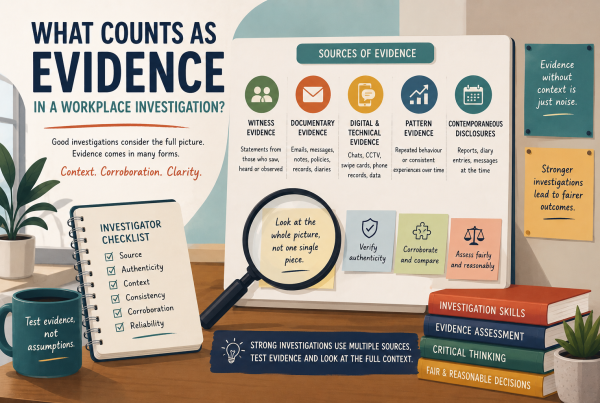
- Patterns of similar complaints may indicate a deeper issue requiring investigation.
- Concerns about workplace culture or team dynamics may benefit from an informal review or mediation.
While not every informal concern requires a full investigation, dismissing them outright can damage trust and morale.
When legal or financial risks are at stake
In situations where an issue could lead to legal claims or significant financial losses, an investigation is often the best course of action. For example:
- Allegations of discrimination, which could result in tribunal claims.
- Accusations of gross misconduct that may lead to dismissal.
Conducting a thorough investigation demonstrates the organisation’s commitment to fairness and compliance, mitigating potential risks.
What happens if you delay an investigation?
Delaying or avoiding a necessary investigation can have serious consequences, including:
- Escalation of the issue, leading to further conflict or harm.
- Loss of employee trust in the organisation’s ability to manage complaints.
- Increased risk of tribunal claims or reputational damage.
Timely investigations are essential to maintain a fair and respectful workplace, as well as to protect the organisation’s interests.
Knowing when a workplace investigation is required is essential for HR professionals. Whether it’s a formal grievance, allegations of misconduct, or concerns about discrimination, acting promptly and appropriately ensures fairness for all parties and protects the organisation from potential risks.
If you’re unsure whether an investigation is necessary, seek expert guidance to ensure compliance with UK law and best practices. A proactive approach to workplace issues demonstrates your organisation’s commitment to creating a safe, fair, and inclusive environment.
At Tell Jane, we can support your organisation in conducting fair and impartial workplace investigations through training in-house investigations or carrying out investigations on your behalf.
Email us today at hello@telljane.co.uk to find out more.