As an HR professional, one of the most critical aspects of creating a safe and supportive workplace is handling harassment complaints effectively. While many employers understand the need to foster a respectful and inclusive culture, the legal risks associated with failing to address harassment can often be overlooked. Today, let’s explore the practical steps every employer should take to reduce the risk of workplace harassment claims.
1. Understand the spectrum of harassment
Not all harassment is the same, but it’s crucial to recognise that harassment can take many forms. Sexual harassment might be the first thing that comes to mind, but workplace bullying, discriminatory behaviour, or even inappropriate comments can all create a hostile work environment. The key here is recognising that all forms of harassment can have serious implications for both the individuals involved and your organisation.
As an HR professional, part of your role is to ensure that your employees understand what constitutes harassment and that zero tolerance for such behaviour is the standard. That said, the approach you take should always be appropriate to the situation. For example, minor infractions—like an inappropriate joke—may not require a full-blown investigation but should still be addressed early on with a quiet word or informal resolution. On the other hand, repeated or severe behaviour such as bullying, harassment, or abuse of power needs a much more formal response, with clear steps outlined in your policies.
2. The risk of inaction
Failing to respond to harassment complaints isn’t just an ethical issue—it’s a legal one. Not addressing these issues promptly and seriously can expose your company to a host of legal risks. For one, employees who experience harassment can bring a tribunal claim for discrimination or victimisation. The outcome of such claims can include financial penalties, damaging reputational impact, and sometimes, even criminal charges in extreme cases of assault or abuse.
The best way to minimise these risks is by ensuring your company has clear policies in place and that these policies are communicated effectively to all employees. You’ll also need to train your managers on how to respond to complaints. This is where so many organisations slip up—without proper training, leaders may unintentionally minimise or dismiss complaints, leaving the company exposed to significant legal risk.
3. Building a culture of reporting
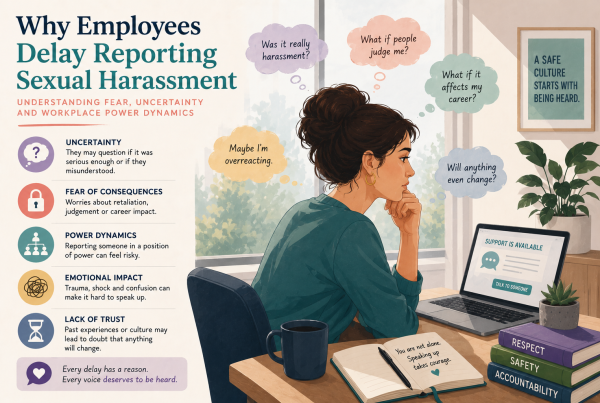
As much as we like to think we’ve created an open, inclusive culture where people feel they can speak up, the reality is that many employees are still reluctant to report harassment. This might be due to fear of retaliation, concerns over not being believed, or even worries about the impact on their career. If you want to reduce these risks, it’s essential to build trust and make it clear that reporting harassment is safe, encouraged, and supported.
One way to do this is by establishing confidential reporting channels, whether that’s through HR, an external third party, or a trusted colleague. Encouraging employees to speak up early can prevent minor issues from escalating and ultimately protect your organisation.
4. Responding to complaints: The first step is critical
Here’s the thing: the first response to a harassment complaint can make or break the situation. If an employee feels that their complaint isn’t taken seriously, or worse, that they’re blamed for the incident, you’re already at a disadvantage. Comments like “Are you sure you want to make this complaint? He’s married, you know…” or “Have you thought about the impact on your career?” only discourage employees from coming forward and can result in legal action down the line.
Make sure your leaders and managers are trained to respond appropriately to complaints. They should know how to listen actively, express empathy, and avoid dismissing the complaint or victim-blaming. Providing this training can go a long way in ensuring that all employees feel supported and that complaints are handled appropriately from the start.
5. Investigations: What to consider
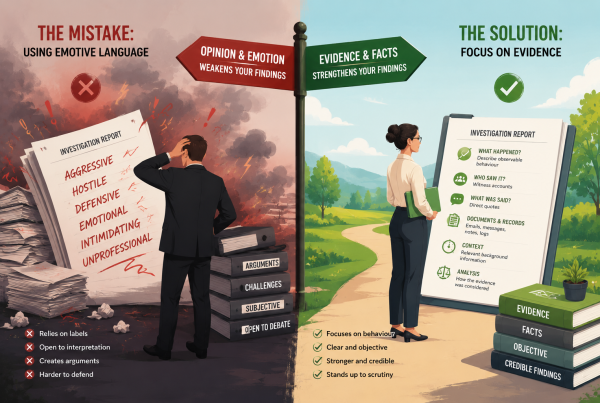
If a harassment complaint progresses to a formal grievance investigation, there are a few key things to keep in mind. First, the investigator needs to be trained and impartial. They should be someone who can approach the investigation fairly, without bias, and who can create a safe space for both the complainant and the respondent.
The investigation process should be transparent, and the outcome needs to be clearly communicated. You also need to ensure that your policies around confidentiality and non-retaliation are strictly followed to make sure all parties feel safe and heard.
6. Proactive measures: Risk assessments and training
The best way to deal with workplace harassment complaints is to prevent them in the first place. Regular risk assessments are essential for identifying potential problem areas and behaviours that might lead to harassment. By being proactive, you can create an environment where harassment is less likely to occur.
To help, Tell Jane has created free risk assessment templates and guides that can assist you in identifying potential risks and developing strategies to address them. These tools will help you assess the current state of your workplace culture and create an action plan to prevent harassment.
Take action today
The risk of workplace harassment claims is something that should never be ignored. As HR professionals, we must be proactive in preventing harassment, responding effectively when complaints arise, and creating a supportive environment where employees feel safe and heard.
If you need help with risk assessments or setting up the right processes for managing harassment complaints, download our free guides and templates here.. They’re a great first step in building a safer, more respectful workplace.