Workplace investigations are an essential part of any organisation’s ability to manage complaints and uphold a fair working environment. Whether it’s harassment, misconduct, or discrimination, the investigation process is key to addressing issues effectively. However, one factor often overlooked is the importance of neutrality throughout the entire process.
Too often, workplace investigations fail because bias—whether conscious or unconscious—sneaks in. That’s where neutrality becomes critical. Let’s take a look at why neutrality is essential, how to maintain it, and how to ensure your investigations are fact-based and fair.
What does neutrality in workplace investigations mean?
At its core, neutrality means being impartial, objective, and fair when conducting an investigation. It’s about putting personal feelings and biases aside and focusing on the facts to determine what happened. The goal isn’t to take sides but to create an environment where both the complainant and the accused feel heard, respected, and treated with fairness.
Neutrality in investigations isn’t just about the investigator, either. It extends to everyone involved in the process—from the first responder to HR managers and anyone else who may be interacting with the complainant or the person accused of wrongdoing.
Why neutrality matters
If you’re in HR, you probably know that investigations are most effective when they are fact-based. Decisions about what happened shouldn’t be based on opinions, personal biases, or gut feelings. Neutrality helps ensure that the investigation is as objective as possible, and that decisions are made on evidence and facts, not on assumptions or personal judgement.
Neutral investigations not only promote fairness within the company but also help organisations maintain credibility. If the process is seen as impartial, employees will feel more confident in the system, and they will be more likely to report issues in the future.
Furthermore, a neutral process helps organisations stay compliant with laws relating to harassment, discrimination, and fairness in the workplace. An investigation that isn’t neutral or based on facts could open up the company to legal risk, potentially leading to costly litigation.
The first response: Why it matters
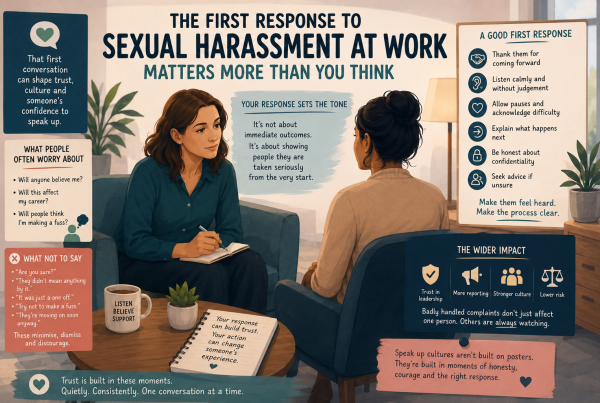
In my experience, the first response to a complaint can make or break an investigation. As an HR professional, you may already know not to say things like, “I believe you,” or “Are you sure you want to make this complaint?” But are your leaders on the same page?
Statements like “I believe you”—even when the person truly feels that way—can prejudice the investigation. The truth is, in any complaint process, neutrality must start from the very first interaction with the complainant. A response such as, “Thank you for sharing this, we’ll ensure this is looked into properly” is far more appropriate. It sets the tone for an impartial, fact-finding process rather than a biased one.
Unfortunately, we often see leaders and managers unintentionally compromise neutrality by giving their opinion too early or making statements that assume the complainant is automatically in the right. This can significantly harm the investigation and make it difficult to maintain a neutral stance going forward.
Staying fact-based, not opinion-based
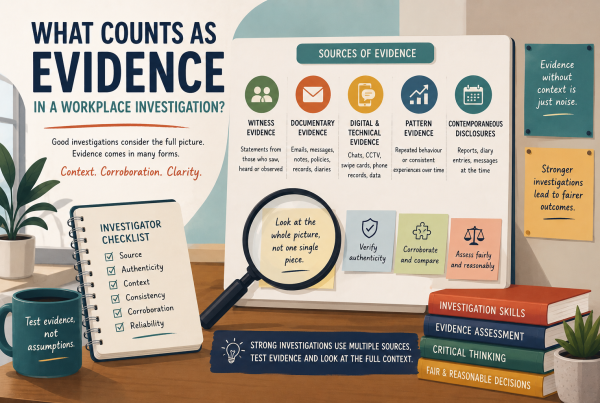
One of the most common mistakes in workplace investigations is treating personal opinions as facts. It’s crucial to remain focused on what can be proven—testimonies, physical evidence, or documentation—rather than what the investigator or the first responder feels happened. Investigators need to avoid jumping to conclusions based on hearsay or their own experiences. It’s easy to believe that you ‘know’ what happened, but that doesn’t make it the truth.
When investigating, always ensure you’re gathering facts: detailed accounts of events, witness testimonies, and any supporting evidence. The investigation should be about uncovering the truth based on what has happened, not on what anyone believes.
Managing different levels of misconduct
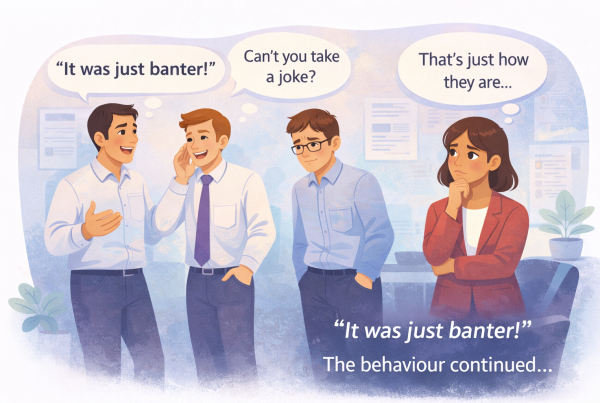
It’s important to remember that not all complaints are the same. Some behaviour, like an inappropriate joke or a single comment, might not warrant a formal grievance investigation. These situations might be more appropriate for a quiet word with the individual, explaining why their behaviour isn’t acceptable.
However, if there’s a pattern of behaviour—such as consistent harassment, power abuse, or more serious misconduct—the response must be different. These situations require a more formal approach and possibly a grievance investigation. The key point is to match the response to the severity of the behaviour.
Being clear about how to handle different types of complaints will help ensure that your approach remains neutral and appropriate. It also allows HR to respond in a way that ensures fairness and avoids accusations of unfair treatment.
How to maintain neutrality during serious complaints
When serious complaints arise, especially involving allegations of harassment or discrimination, maintaining neutrality becomes even more critical. It’s not just about staying neutral, but also about ensuring the process is as transparent and safe as possible for everyone involved.
It’s also important to consider the timing of complaints—sometimes a significant amount of time may pass before an individual feels able to come forward. In these cases, HR needs to avoid dismissing or ignoring complaints because of delays in reporting. Just because something has timed out doesn’t mean it should be ignored.
HR must ensure that all complaints are still taken seriously, regardless of the time that has passed since the incident. This also applies if the complaint involves potential criminal behaviour, such as assault. HR should always ensure a fair, thorough investigation, regardless of how long it’s been since the incident.
The right investigator for the job
A neutral, well-trained investigator is key to a successful investigation. An investigator must have the necessary skills and knowledge to conduct the investigation impartially, and they must create an environment where both the complainant and the accused feel safe and respected. If you’re unsure whether your investigators are trained adequately, consider providing the with training or external support to ensure the process remains neutral and fact-based.
Neutrality is a non-negotiable when it comes to conducting workplace investigations. By ensuring impartiality and focusing on facts, not opinions, HR can create a transparent and fair process that employees trust. Neutral investigations help protect both the employees involved and the organisation itself, creating a safer, more respectful workplace.
If you need help training your team on how to conduct fair, compliant, and respectful investigations, don’t hesitate to reach out. Tell Jane offers tailored training and consultancy services that ensure your investigations are handled in line with best practices.
Reach out to us for support today!